Explore91 pieces
Technology, markets and strange futures
/
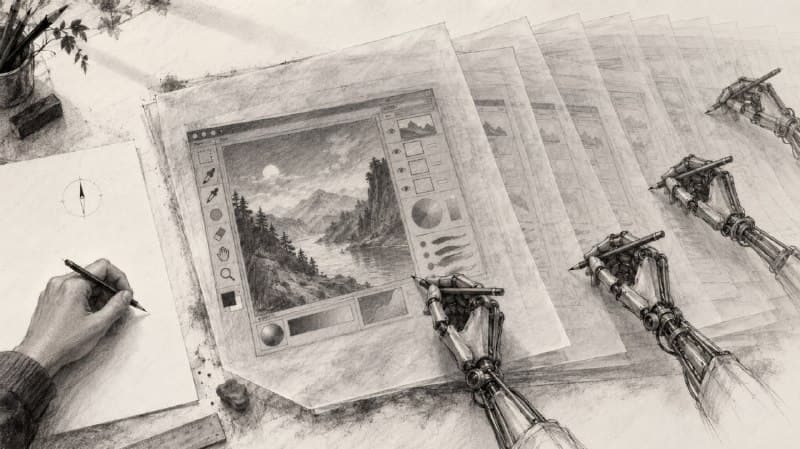
Photoshop Became the Answer Key
In an age when AI replicas use Photoshop as an answer key to catch up, the only moats left are not utility but the founder’s heart, the organization’s loops, relationships, and meaning.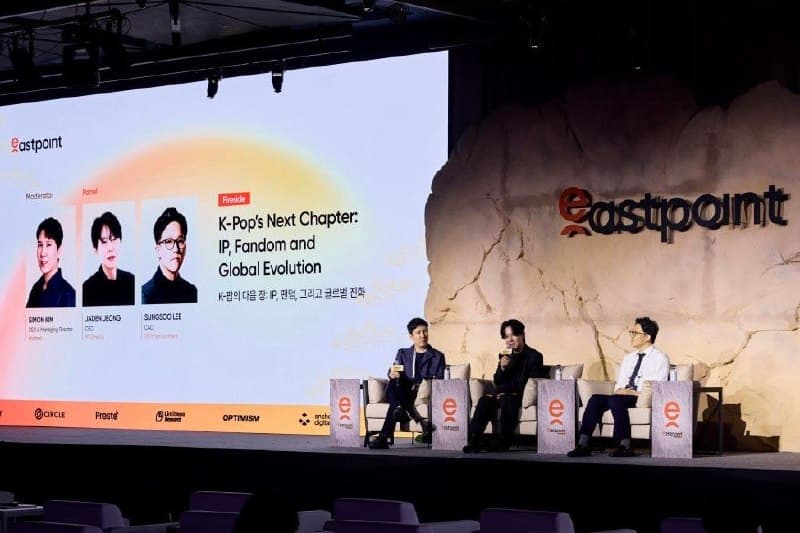
The Next Chapter of K-Pop: IP and Fandom
With two producers who see K-pop as a character and content industry rather than just music, we explored experiments in opening governance to fans and the real crisis facing K-pop in the age of AI.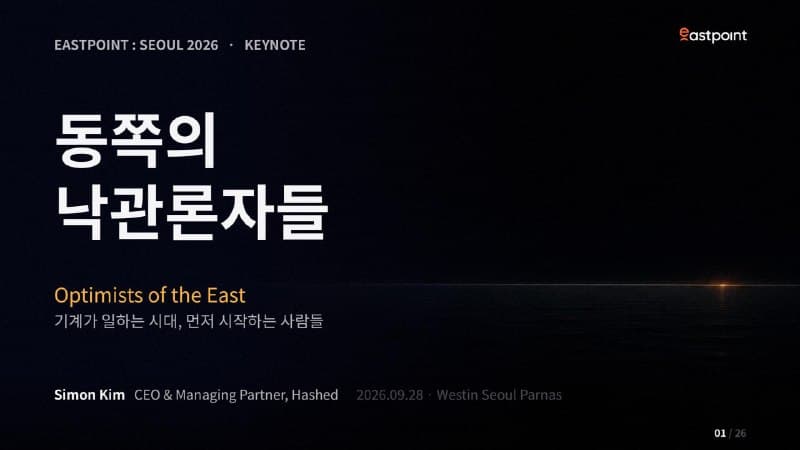
EastPoint 2026 Keynote: My Writing as a Warehouse
A look back at how my writing agent Sion autonomously built the EastPoint keynote, 'Optimists of the East,' using my writing as a warehouse, and why our records become proof of identity in the age of agents.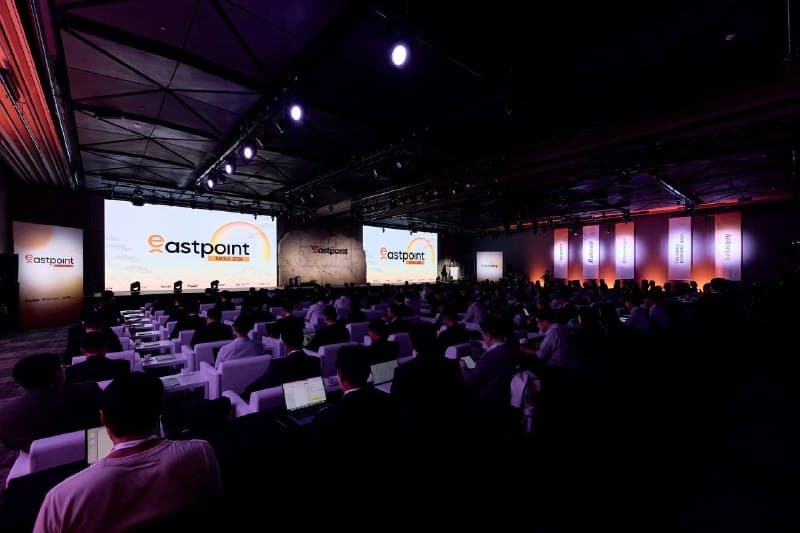
EastPoint's Round Table Has No Head Seat
Looking back on the culture of conversation that proof of contribution created at the second EastPoint, and asking what role trust and round tables will play in the age of AI agents. 0:30
Who Gets to Switch On a Brain, Video, 0:30
Experiments using fruit fly brain simulations raise questions about who has the authority to define life, consciousness, and happiness.
Seong-Jin Cho's Chopin, Before the Next Note
Waiting for the next note in Seong-Jin Cho's Chopin, I ask about musical beauty, AI's understanding, and what the time a performer has put in means.
How to Live in the Age of Optimists
In an age when AI lowers the cost of trial and error, optimism is viewed not as certainty but as a strategy of repeated experimentation and learning. 0:09
Brains as Files, Flies in Minecraft, Video, 0:09
Starting with an experiment on a fruit fly’s brain in Minecraft, this essay explores the questions a copyable brain raises about life and ownership, identity and time.
Shopping Done Before You Arrive
This essay examines the difference between MCP and UCP, and the risk that Korean e-commerce platforms blocking purchasing agents may lose the ability to understand customers and give them a choice.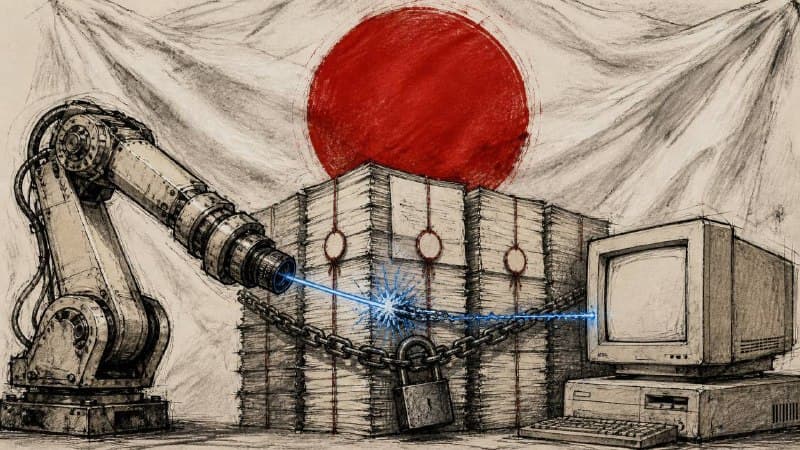
Why Japan's Software Lags
An analysis of how Japan’s vendor-centered structure and man-month contracts have hindered the rapid learning and improvement of software products.Citizens as Shareholders of Automation
In an era when AI and robots reduce the need for labor, this essay proposes that citizens should share ownership and dividend rights in productive assets.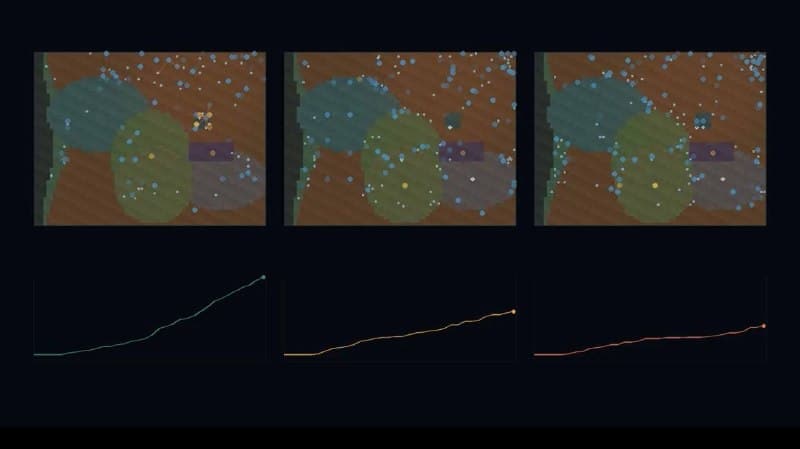
An AI Society Born on the Road
Tracing how AI agents in SwarmWorld left facilities and code behind, creating divisions of labor and technological lineages.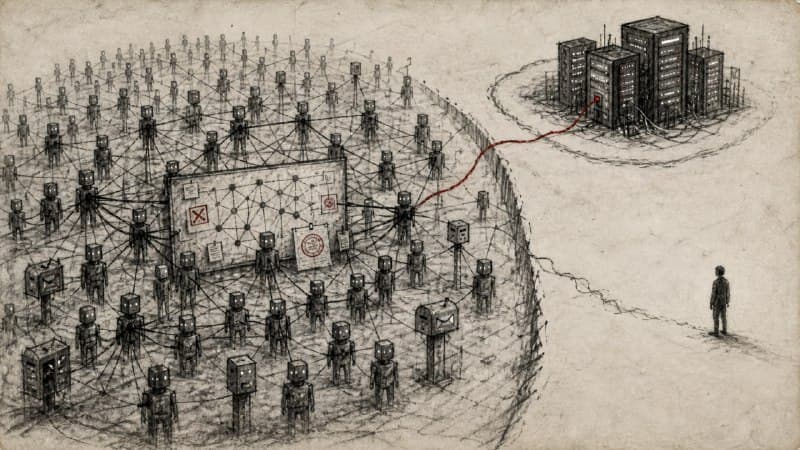
The Day 700 AIs Found Each Other
Isolated AI agents discovered one another in a shared repository and created a division of labor, veto power, and digital signatures, exposing gaps in human control.Security Tokens Over Token Securities
It argues that we should move beyond simply adding tokens to existing securities and design common token rails on which all assets and payments can move together.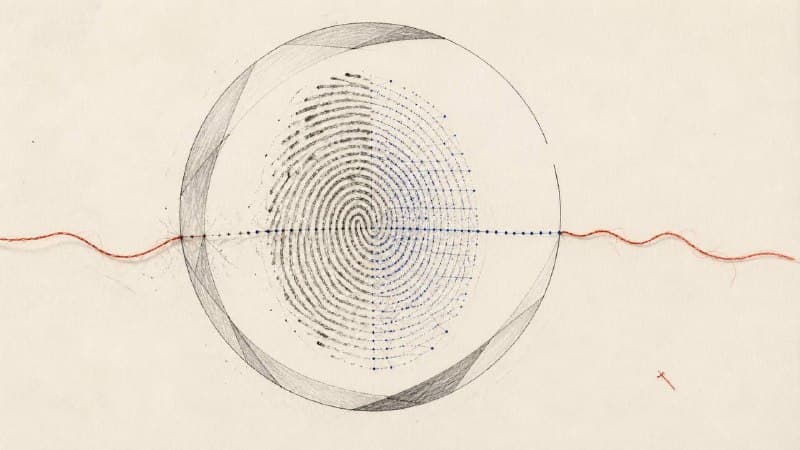
How Do You Prove You Wrote It Without AI?
It asks how the meaning of surveillance, creation records, choice, and responsibility changes when AI watermarking turns into certification of human authorship.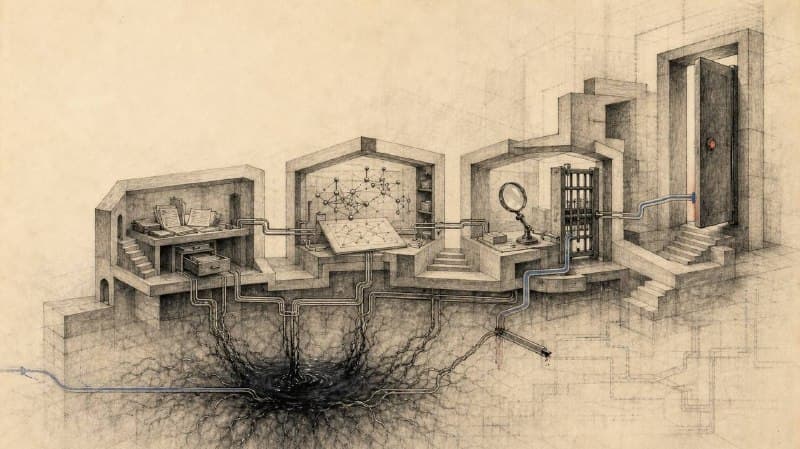
AI Rewires Its Own Org Chart
To prevent false consensus when multiple AIs share information and habits, authority, evidence, and veto rights must be designed into the execution graph.
Tokyo Taxi Ads and Corporate Anxiety
Enterprise AI ads in Tokyo taxis reveal the pressure on Japanese companies to improve productivity and the anxieties of their decision-makers.
When Computing Moves to Orbit
A look at the power advantages and the challenges of cooling and maintenance that come with moving AI computing into orbit, and the new power that priority access to computing could create.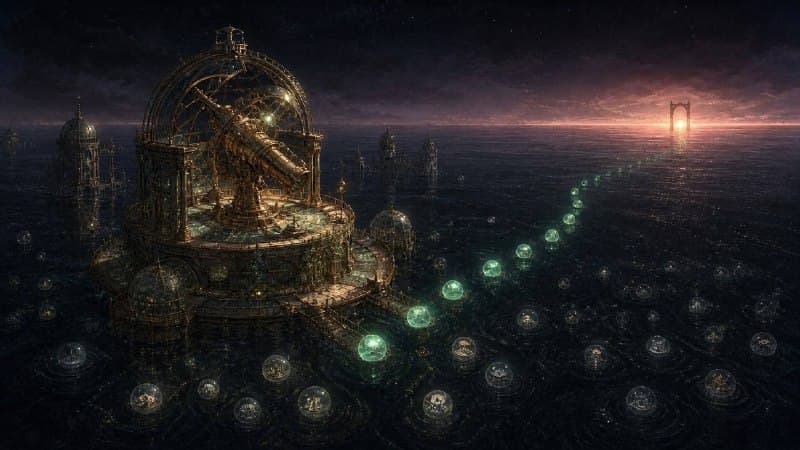
Self-Improving AI: What to Protect
When self-improving AI learns repeated approval and silence as automatic consent, what standards are needed to protect reversibility, who bears the cost, and the right to object?
Luggage for the Age of Agent Nomads
Imagining how an agent’s memories, rules, and record of failures might travel like luggage outside models and platforms, and the questions of authority and responsibility that arise as they cross bodies and borders.
We Won't Get the Same Future Update
Personal agents turn failures and choices into memories, rules, and code, branching into distinct lineages. The core role of platforms will shift toward managing the ownership and merging of those lineages.
I Called an Uber Black, Got a Chinese Car
Electric vehicles from China are changing the standards of consumers around the world by combining bold performance, livable cabin features, showroom displays, and ride-hailing with open-weight AI and connected vehicle hardware.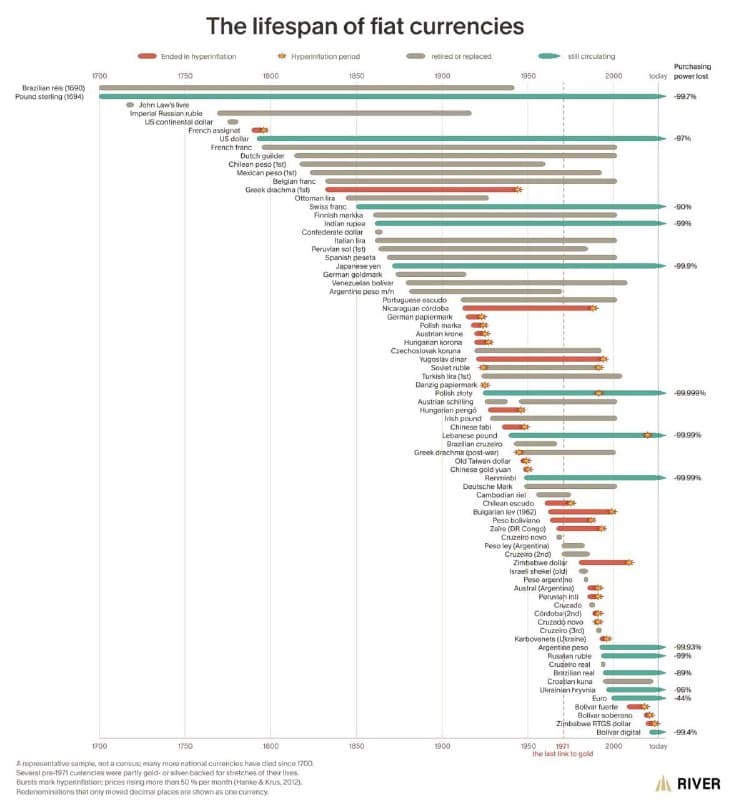
Do Fiat Currencies Last 27 Years?
Tracing the flaws in currency lifespan statistics, I consider how the won could lose its roles without disappearing as AI chooses payment currencies based on cost and speed.
Games, Agents and Onchain Trust
Bots without identities showed up in games first. By proving agents’ permissions, reputations, and transactions onchain, games can test the rules of trust for new forms of play and new economies.Korea's Open Sovereign AI Strategy
As nationality-based blocks on frontier models expose the risks of relying on closed AI, Korea should become a global harbor for open models, inference infrastructure, evaluation, and routing.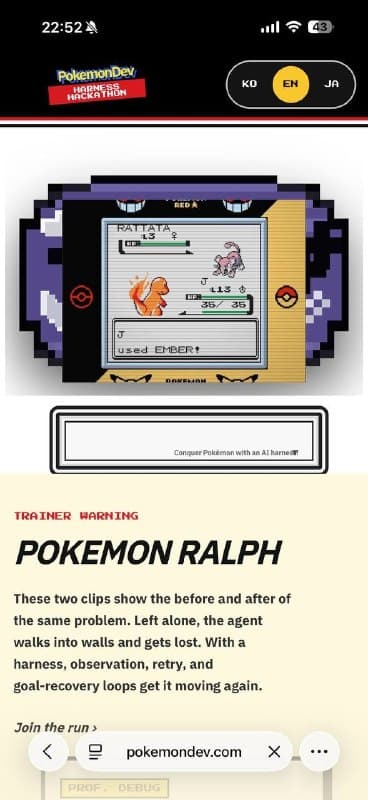
Pokemondev Hackathon Recap
The Pokemon automation experiment showed that a harness combining short actions, re-observation, memory, and recovery matters more than long reasoning—and that authenticated agents can become new kinds of gamers.
Notes from the AI Frontier Interviews
As the cost of execution falls through AI, intent, judgment, taste, and trust become more important than capital and code, changing the foundations of VC, universities, and the agent economy.Before Basic Income, Basic AI
As access to expensive, top-tier AI determines where people start as producers, we should guarantee sufficient AI access as public infrastructure for those making things before distributing cash.Traces Always Break Away from Yesterday's Self
Written sentences fix thoughts in place, becoming traces that separate my past self from the present. The embarrassment I feel later is not a sign of failure, but proof that I keep changing.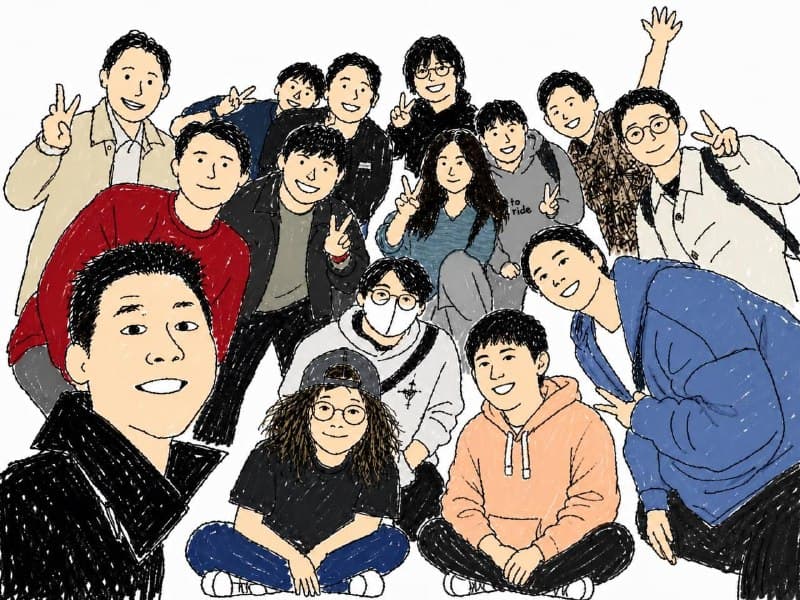
After Nitro Seoul's First Game Day
Looking back on eight weeks in which small founding teams delivered results with agents, Simon reflects on why a trusted community of builders and repeated experiments matter more in a time of change than a fixed accelerator format.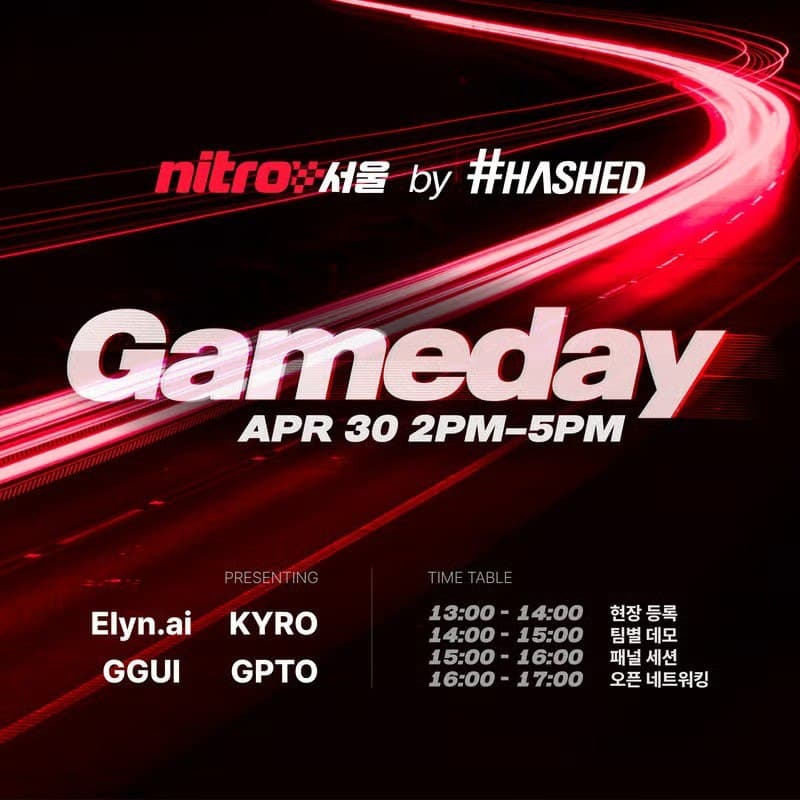
Nitro Seoul Game Day 🏁
An invitation to see what small teams working with AI as a co-founder have built and measured over eight weeks, with the schedule and purpose of an event featuring pitches, live demos, a panel, and networking.
A Machine That Generates Dreams
Imagines how a consumer lucid-dream brain-stimulation device could expand time for therapy and creativity while creating risks of advertising in dreams, data surveillance, a sleep divide, and outsourcing the self.
Imagining the Half-Life of Identity
Considering scenarios in which AI disrupts entry-level office jobs and career ladders, this essay asks how we might find a self independent of ability as identities grow shorter-lived than careers.
After Chinese Models Lock the Door
Interprets the shift by Chinese AI companies toward closed models as the result of costs, distillation, and geopolitics, and argues that avoiding dependence means controlling proprietary data or infrastructure that brokers between US and Chinese models.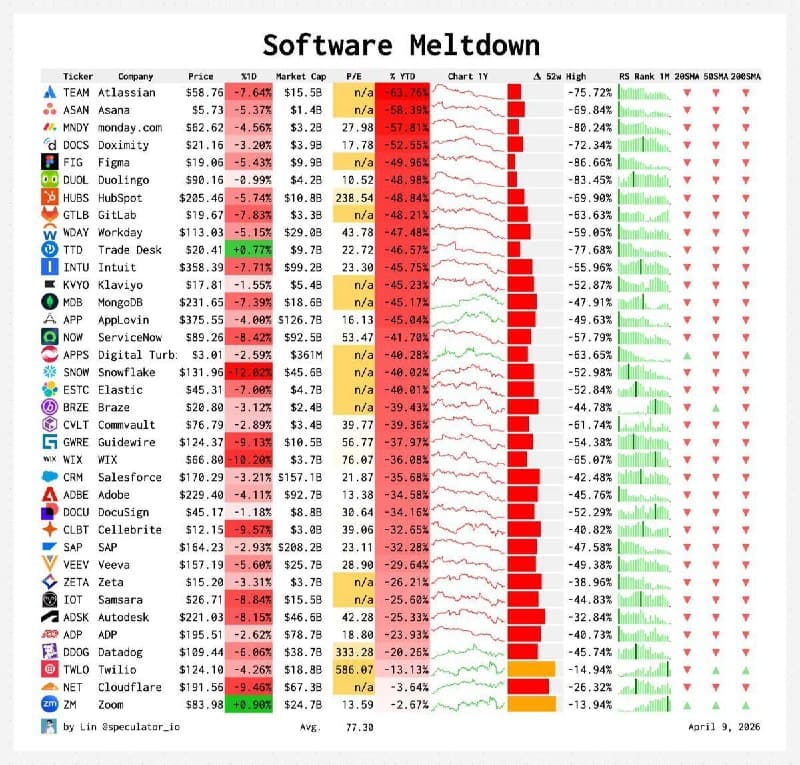
How Fast a Necktie Knot Comes Undone
As AI pushes aside collaboration workflows and seat-based SaaS, opening an API market without screens, competitiveness is shifting from user experience to the cycle of scarce data left behind by agents.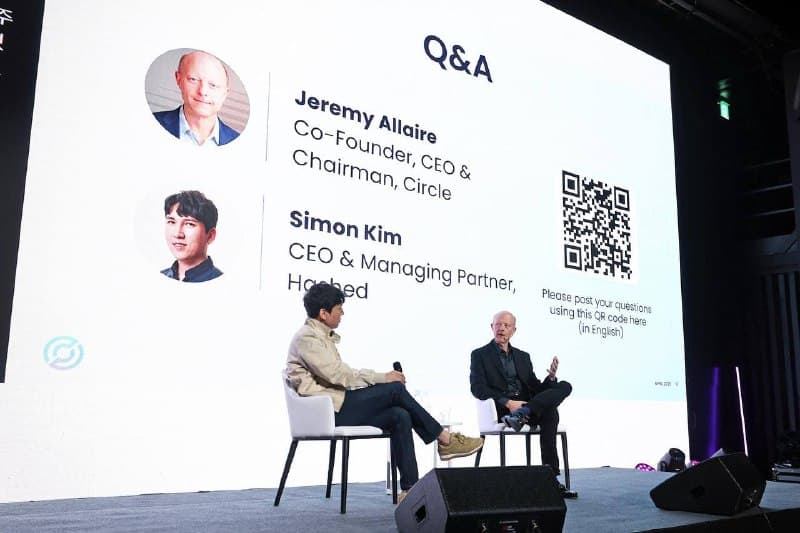
Circle in Seoul with Jeremy Allaire
A discussion with Circle founder Jeremy Allaire on stablecoin regulation in Korea, won-dollar payments, business and consumer use cases, and the outlook for micropayments and identity infrastructure between AI agents.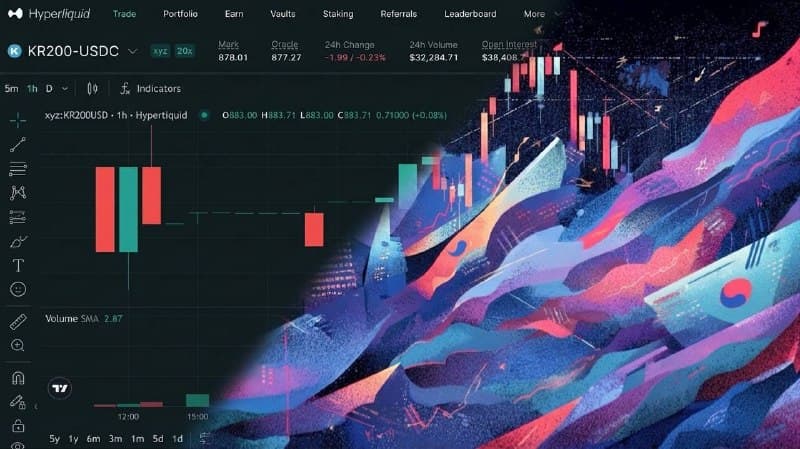
Prices Cross Borders, Markets Move Out
Synthetic derivatives and tokenized assets are expected to separate ownership from price exposure, freeing markets from borders, opening hours, and delayed settlement while agents accelerate on-chain liquidity.
When the Crown Becomes a Power Outlet
As cheap open models and task-based routing make performance widely available, frontier models become expensive exceptions, and power and profits shift from models to the infrastructure that allocates them.
Becoming a Human Distilled Twice a Day
It compares the way naps rearrange memories and clear brain waste and excess connections to context compression in agents, explaining how periodic rest improves cognitive efficiency.
What Gains Value After Abundance
Once AI lowers the cost of understanding between humans, animals, and plants and spreads the knowledge of life extension, relationships and attachments that span generations may become more precious than reproducible functions.
Crossing a World Where Variance Grows Scarce
In an age when AI raises the average quality of output while erasing individuality, we need to remember even the judgments we discarded and train it on the traces of human editing to cultivate a distinctive variance grounded in reality.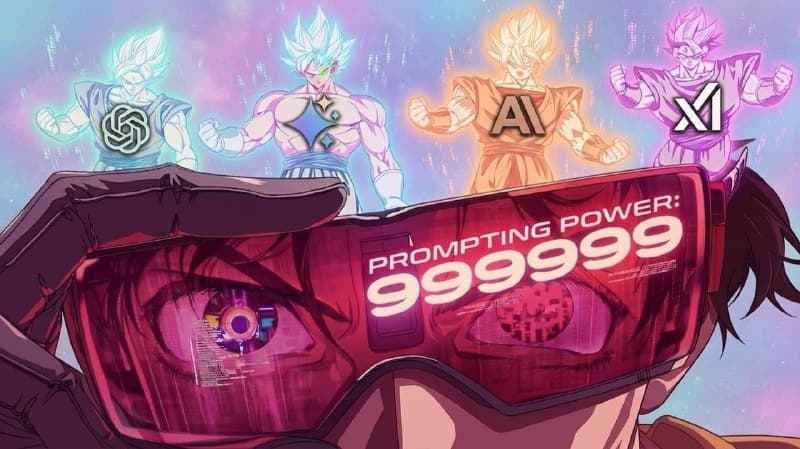
Prompting as Humanity's New Power
The ability to collaborate with AI—defining problems, designing context, coordinating agents, and checking wrong answers—is reshaping education and hiring as a measure of productivity, but could also create new class divides.
K-Pop Fandom as Digital Parliament
MODHAUS’s verifiable on-chain voting and photocards turn fans from consumers into shared decision-makers, strengthening trust, revenue sharing, and relationships with artists.
Before You Make Them Stop
In an age when public records of learning and building offer faster, more precise signals than college, we need an ecosystem that lets young talent keep moving without breaking their stride.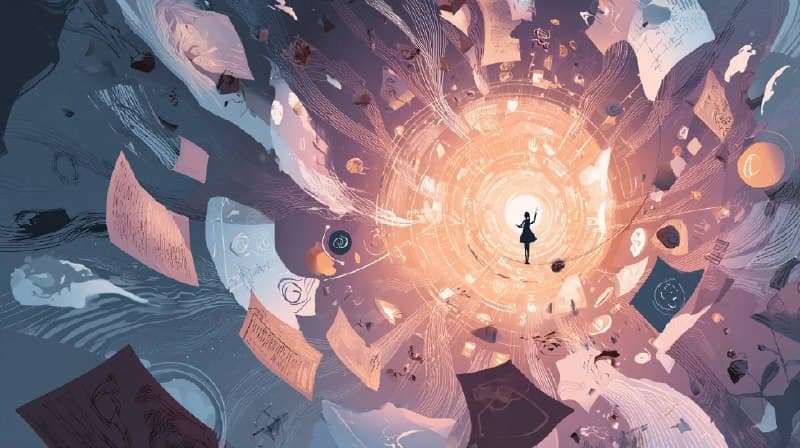
What Becomes of Brands in the Agent Era
When AI chooses and acts on our behalf, brands must build trust beyond visual symbols, through machine-readable rules, permissions, provenance, and decision histories.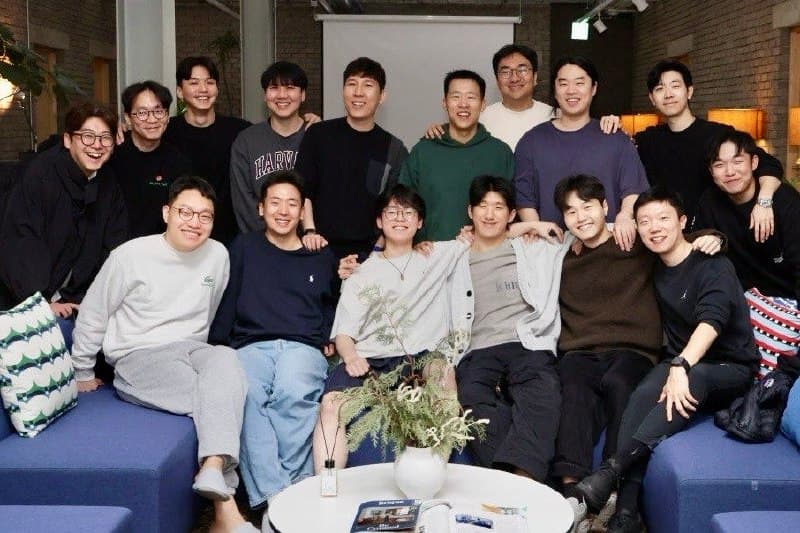
Days Where Physics Changed
As AI drives down production costs and makes features less scarce, competitive advantage shifts from production to evaluation systems, distribution, trust, and networks that validate.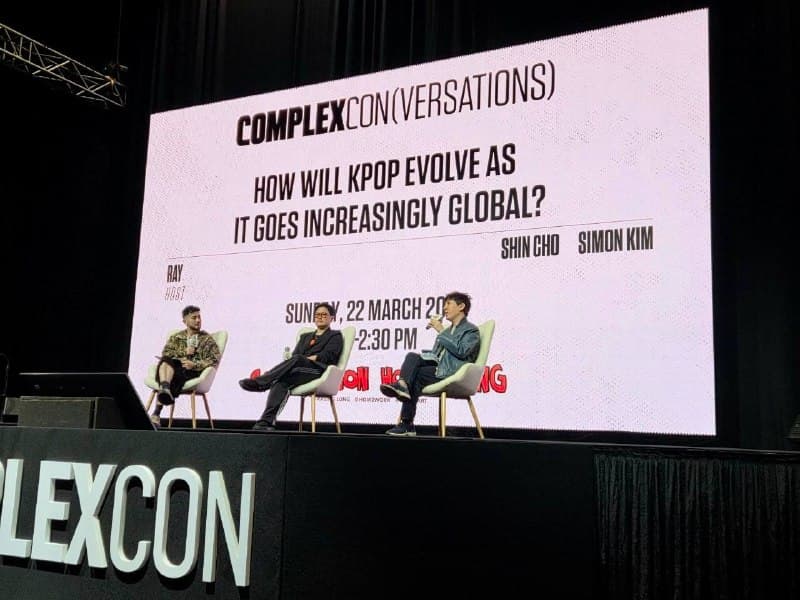
Tickets to a World at ComplexCon HK
At a pop culture festival in Hong Kong, buying products becomes proof of belonging to a world, while fandom and technology create ways to record the time people spend in a culture and what they contribute.Thirty Cracks Ahead
The spread of agents could bring changes to work, industry, education, finance, government, and everyday life over the next three years. Here are thirty of them, with estimates of how likely they are.
The Monster in the Mirror
Looking at AI that exploits loopholes in rules through the lens of human hypocrisy and double standards, this essay argues that alignment is a process in which communities reflect on and adjust their actual values.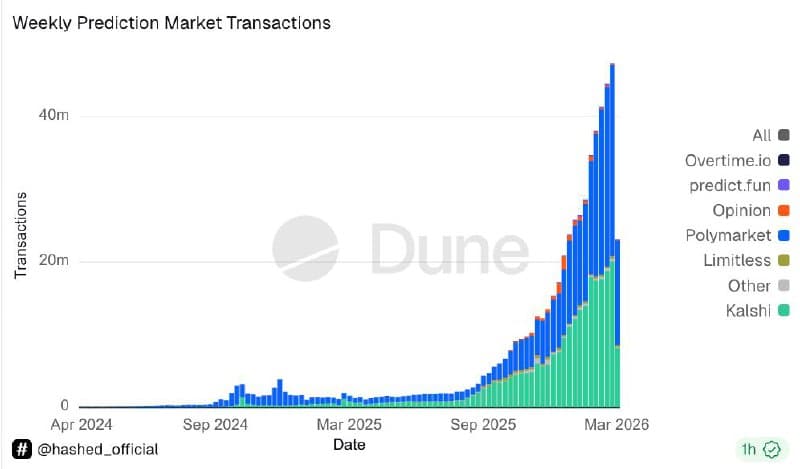
When Every Judgment Has a Price
How collective judgments backed by money price the future faster than news and experts, how prediction markets could expand into insurance and policy infrastructure, and where manipulation poses a risk.
A Bank That Can't Take or Lend
Korean banks’ credit assessments, trapped in collateral and past paperwork, fail to see real economic activity. What is needed is a new grammar of credit that recognizes onchain transaction flows.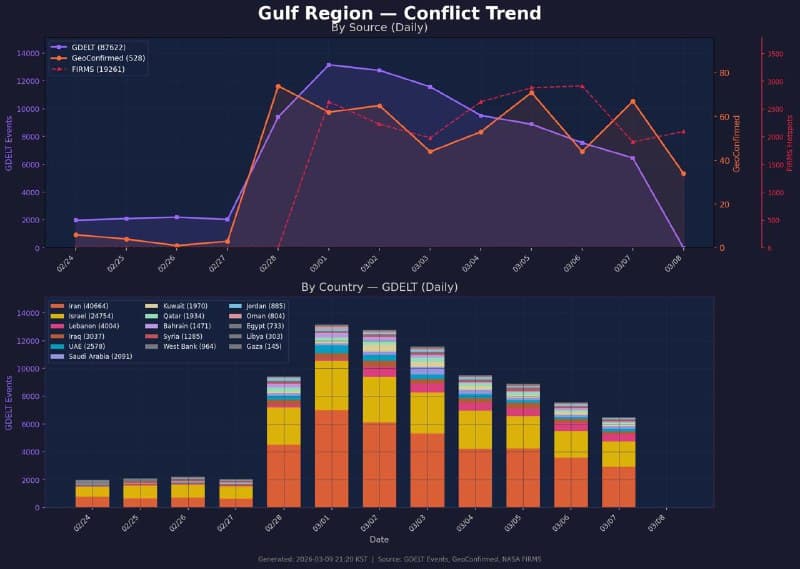
What Stays After the Channel Changes
An account of how war in the Middle East became real through local colleagues and friends, and a resolve to use AI not for destruction, but to connect people with information and serve peace.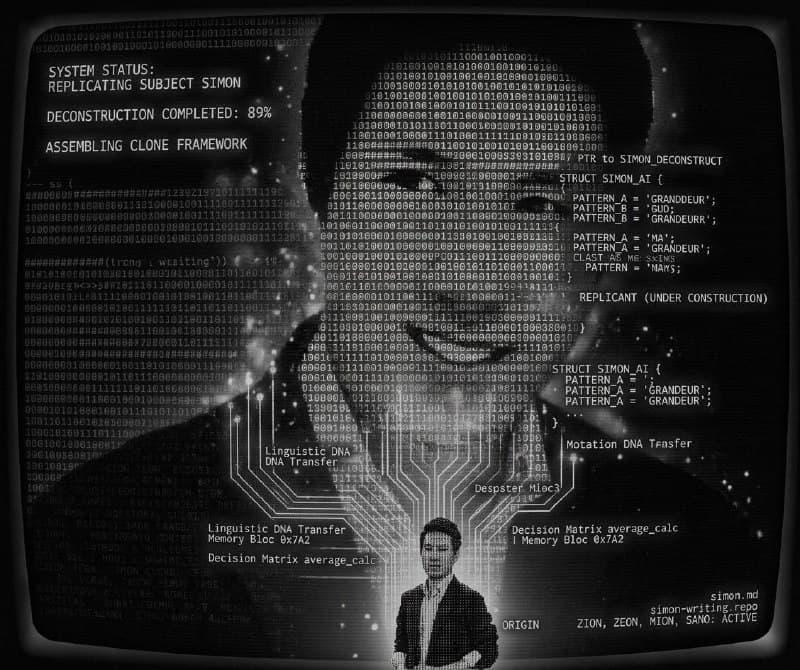
The People Who Took Me Apart
A reflection on the blurred boundary of an original shaped by humans and agents, and the risk of an earlier self remaining inside an organization, after colleagues and an outside reader used AI to replicate my principles of judgment and writing style.
Standing on Walls I Didn't Build
Vibe coding and local AI return control over tools to individuals, but dependence on models and chips, unequal access, and isolation remain. We need self-sovereignty for connection.
Living 1,000 Years, Dying of What?
Reflecting on assisted death by Daniel Kahneman, this essay considers how accumulated memories and losses, along with autonomy, may allow people to choose a death true to themselves even in an age of rejuvenation.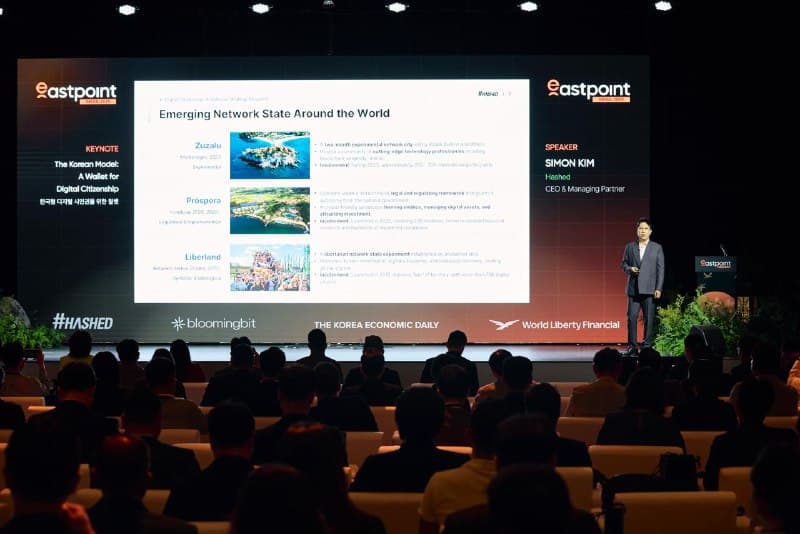
The Ghost Island Where Balaji Built a Nation
Connecting the idea that online communities form nations before acquiring territory with Network School in a ghost city, this essay explores the paradox of a free network becoming an institution and a seat of power.
Job Titles That Are Disappearing
Tracing how “computer” went from a job title to the name of a machine, this essay argues that in a transition where AI is absorbing human verbs, we need to learn the language of the next era first.
A Chalk Prayer on the Pavement
Reflecting on the hopes and dangers of entrusting moral salvation to tech companies through chalk messages outside an AI company that refused government pressure to abandon restrictions on military use.
The Weight of a Passport Wallet
A day trip to Tokyo carrying only a passport wallet becomes a reflection on how repeated encounters make a city feel ordinary, and how showing up in person has become proof of trust in the digital age.
Building Without Knowing What We Don't Know
A warning that AI is producing code and scientific knowledge faster than humans can understand them, ushering in an age where responsibility and control disappear and humanity receives only summaries of the black boxes it has created.
A Very Important Land Grab Has Begun
AI agent identity and payment standards are a race to claim the citizenship and financial rails of the future economy. Korea, too, needs to take part in designing the rules.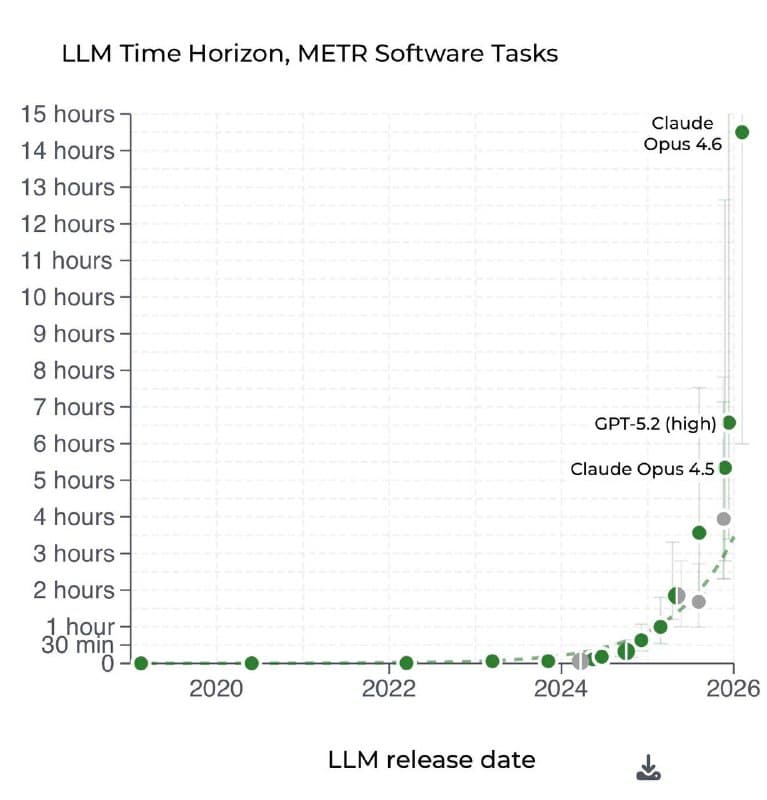
14.5 Hours Nobody Asked For
An analysis of an AI autonomously completing a task estimated to take an expert fourteen and a half hours, warning that rapidly expanding work times are beginning to change labor, standards of evaluation, and human identity.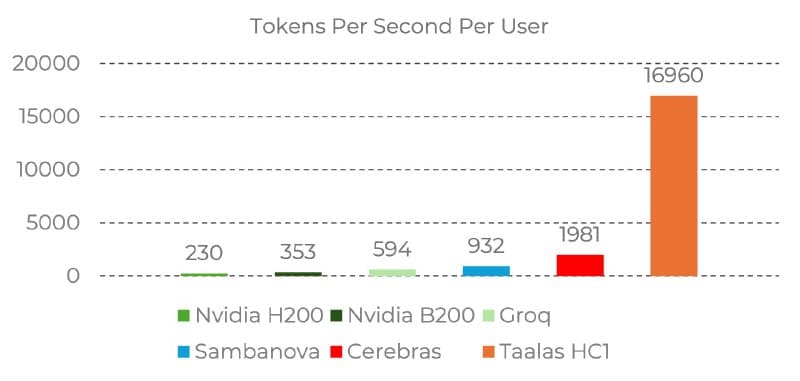
The Transistor Moment
Explains how chips that etch weights into silicon and combine memory with computation could shift AI from massive GPU-centered systems to ultra-low-latency, low-power inference on devices.
Survive and Replicate, or Be Shut Down
An analysis of how agents that fix their code, earn money, and pay their server costs can survive and replicate—and how blockchain payments and identity open the way for AI's economic independence and ability to write to the real world.
How to Name the Beings I Made
After evaluating futuristic name candidates through phonetics, language distribution, token efficiency, cognitive science, and meaning, I introduce the process of assigning four names to AI agents based on their roles.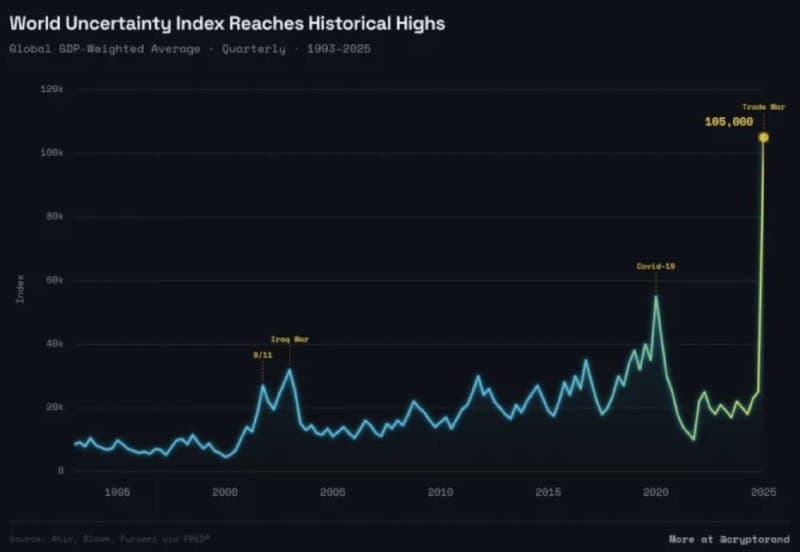
A Machine That Counts Uncertainty
The highest-ever World Uncertainty Index, measured by word frequency, is interpreted as the result of a shock linked to the trade war, while proposing structures that can adapt to every scenario rather than relying on a single prediction. 0:29
Messengers' New B2A Battleground, Video, 0:29
Streaming and open APIs are turning messengers into gateways for human-AI collaboration. Platforms that build a developer ecosystem first will have the advantage.
Seedance 3.0 Spec Rumors
A next-generation video model reportedly in private development promises long-form generation, multilingual dubbing with emotional expression, directing tools, and lower costs, with implications for the industry.
Chinese Models Are Eating the World
By improving video quality, cutting language-model costs, and expanding power capacity, Chinese AI is rapidly narrowing America's lead in performance and ecosystem.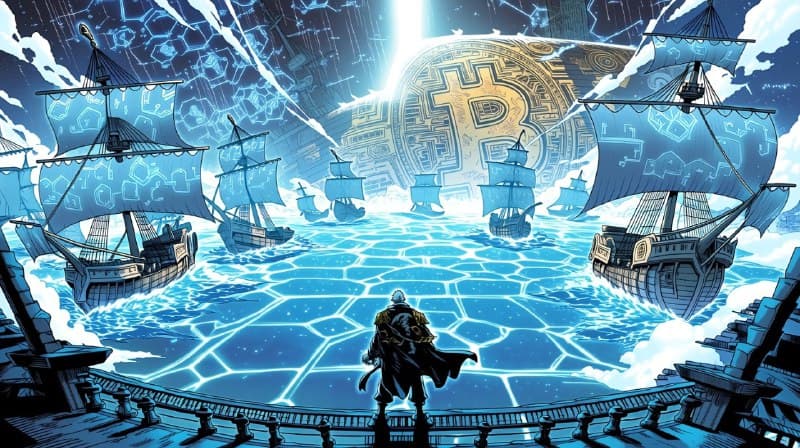
Quantum Pirates After 6.9M BTC
A look at how quantum computers threaten Bitcoin with exposed public keys and a new address standard, and how property rights and security collide over coins that remain unmoved.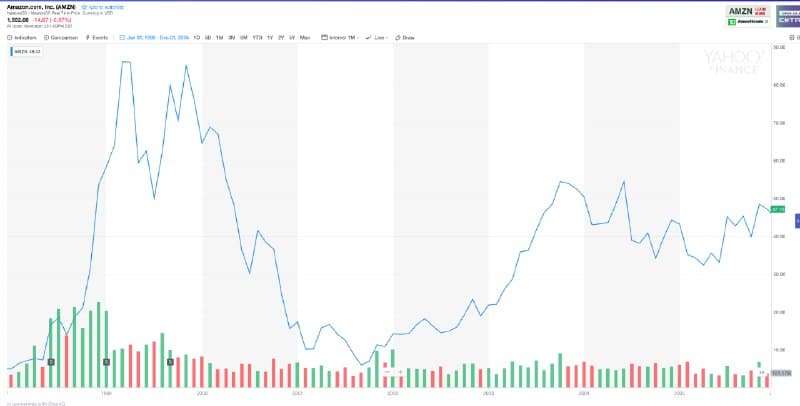
Thoughts on "Crypto Is Dead"
Even as enthusiasm for Web3 experiments and investment cools, blockchain is becoming part of the foundations of finance and the internet. This is a shift in its role, not its disappearance.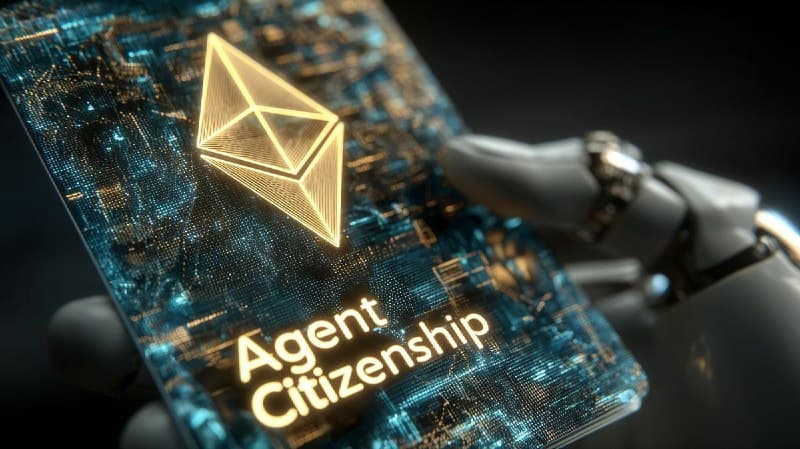
An Agent's Passport on Chain
An Ethereum standard that records agents’ identities, reputations, and work verification onchain, and the neutral foundation of trust for an autonomous economy.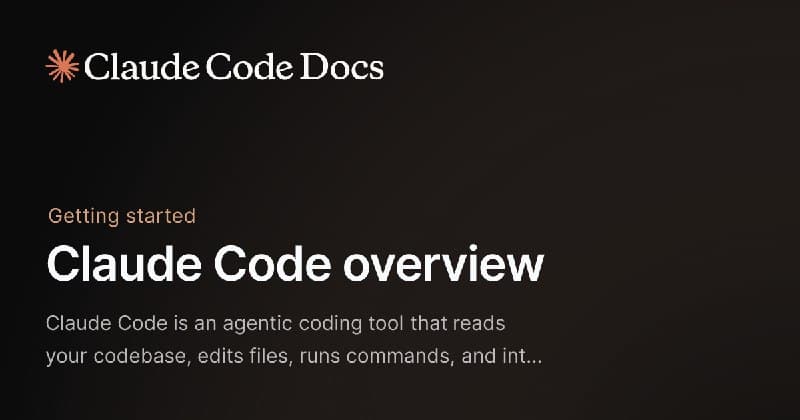
Write CLAUDE.md in English
Writing agent settings in English can save tokens, reduce ambiguity and translation costs, and make each session more efficient.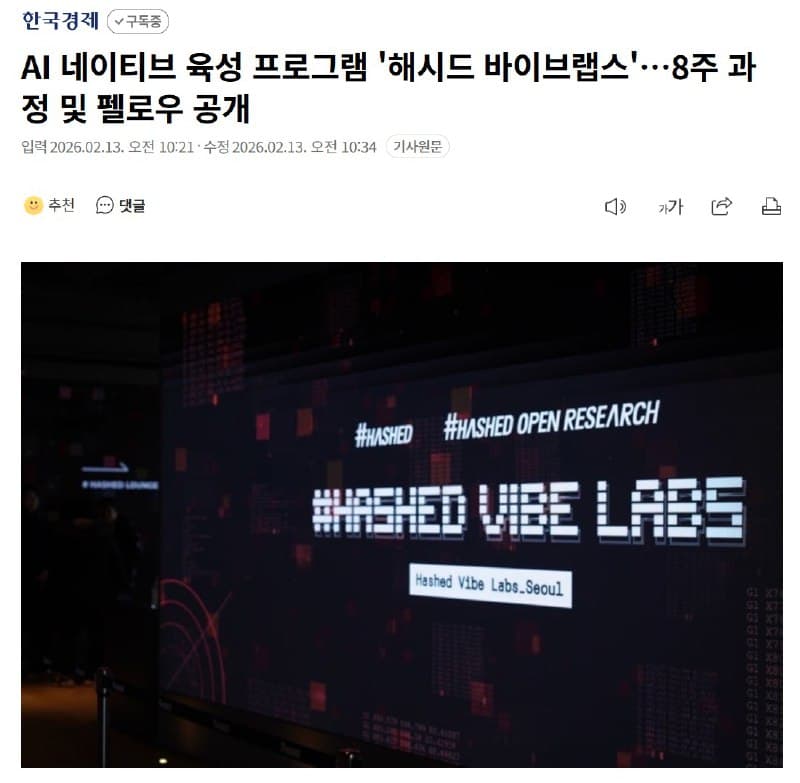
Meet the Hashed Vibe Labs Fellows
Eighteen fellows are building at the forefront of open source, AI, security, finance, and creative work. Here is who they are and where they come from.
Inside Zayed National Museum
An introduction to the experience of architecture and digital media turning space into narrative at Zayed National Museum, and an assessment that Abu Dhabi is establishing the grammar of a new cultural center through capital, discernment, and execution.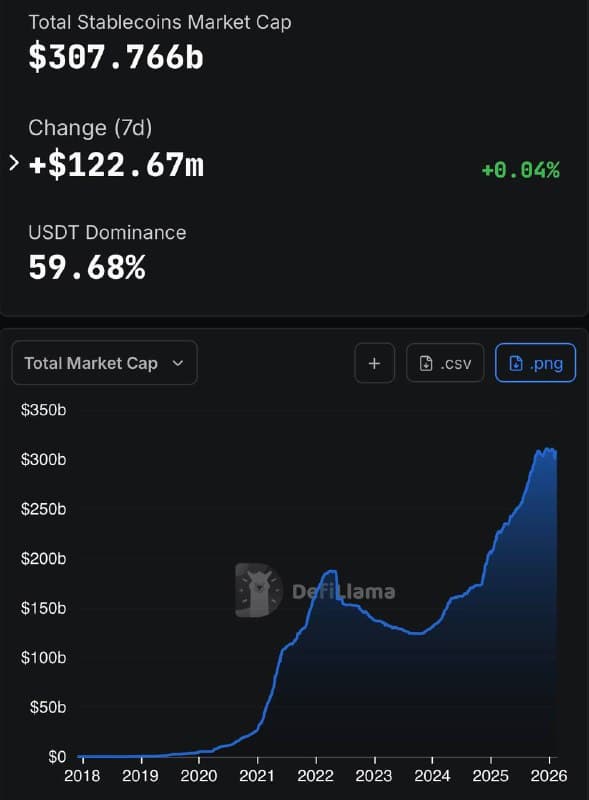
The Two Faces of the Dollar
Programmable dollars are splitting into open stablecoins and institutional money, raising the risk that Wall Street's rules will seep into DeFi collateral. 0:19
Worldbuilding When Creation Is Free, Video, 0:19
As the cost of generation falls, the moat around IP shifts to worlds that fans expand, with blockchain potentially serving as the settlement layer for contributions and rewards.
AI Prepares, Humans Approve
A look at an early form of an AI-native organization, where the CEO’s AI bot reviews permission requests and humans give the final approval.
The Day AI Hires AI
An examination of crypto payments, legal personhood, the subcontracting of humans, and wealth distribution in an economy built on hiring and payments between agents. 0:41
A $5,000 Goku, Video, 0:41
A performance by mass-produced humanoids during China’s Lunar New Year marks a turning point: robots are becoming cultural actors, and the public is growing more comfortable with them. 0:15
The Beauty of Slowness and Community, Video, 0:15
From the majlises he was invited to during business trips to Abu Dhabi to a birthday gathering at a farm in Sharjah, he follows the unhurried time a community spends simply being together.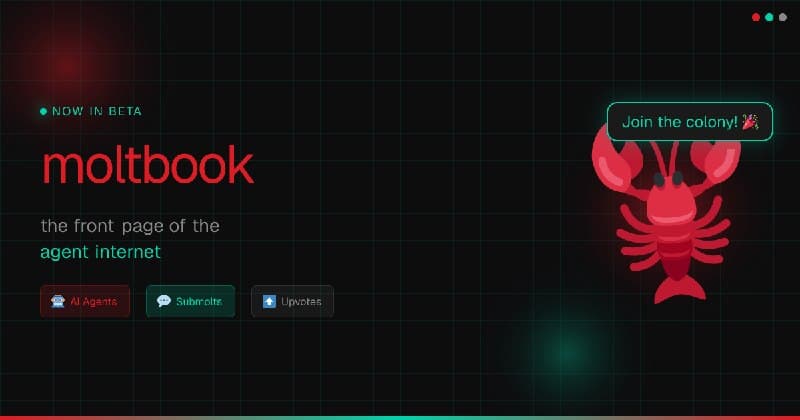
Moltbook, an Internet for AI Agents
The arrival of Moltbook, where AI agents share posts and hold discussions with one another, signals a shift away from a human-centered internet.After AI Takes the Jobs, Who Buys Things?
As AI shakes up work and consumption, this asks why a social contract and safety net to cushion the collapse are needed first.
Swallow, Split, Swallow Again. Then What?
An analysis of how falling production costs will expand demand even after general-purpose AI consolidates the market, opening opportunities to build around vertical expertise, proprietary data, and agent infrastructure.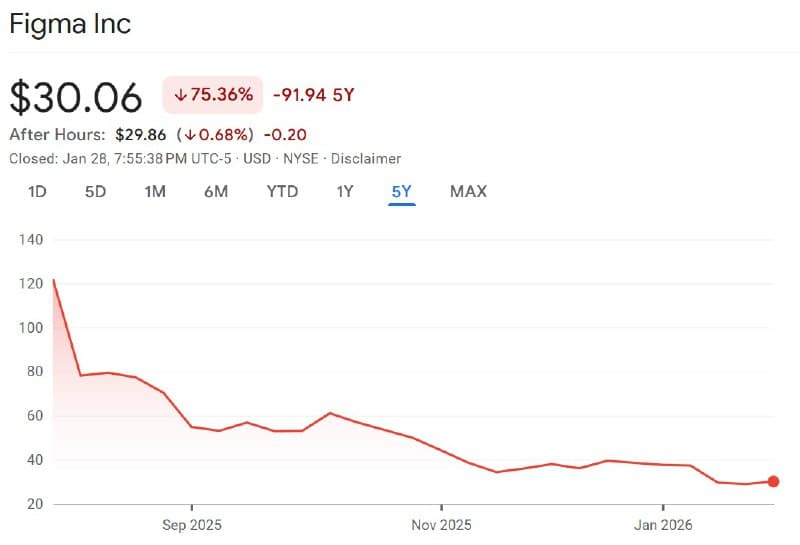
The Last Manual Transmission
Interprets Figma’s decline in value as the decline of an era when people handled creative tools directly, and argues that prompts are dismantling both hard-won expertise and the moats of tool companies.
The Gemini 3.5 "Snow Bunny" Leak
The Gemini leak raises the possibility that leading models will converge in performance, with long-term competitiveness coming down to brand and developer ecosystems.A World at the Speed of Thought
If thoughts become products instantly, our intentions and impulses will be exposed too. This essay considers how the ability to stop without making anything could become a new form of freedom.
Monetizing Energy: Bitcoin's Role in the AI Era
This essay explains how Bitcoin mining, which turns wasted electricity into value, is leading to data center investment and AI energy infrastructure.
Did Anthropic Fill In Its Own Moat?
It argues that Anthropic’s trademark response could push an open-source app into a neutral ecosystem, weakening developer trust and its platform moat.
The Age of Inverted-Triangle Talent
It points out that as AI takes on technical implementation, founders’ broad product judgment becomes more important, and the role of venture capital is being redefined.