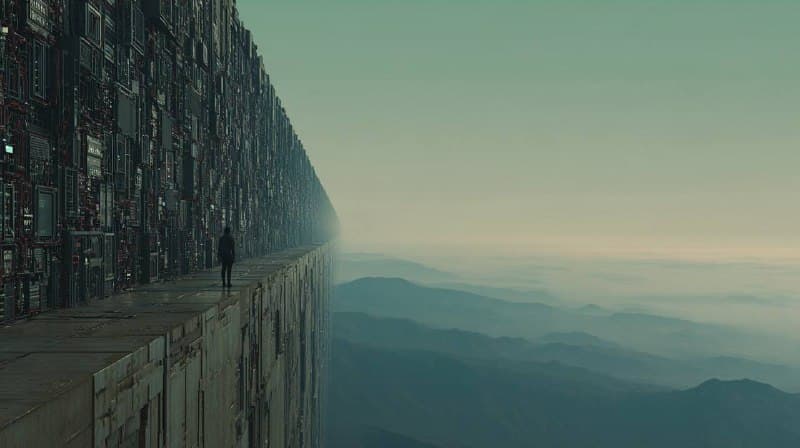
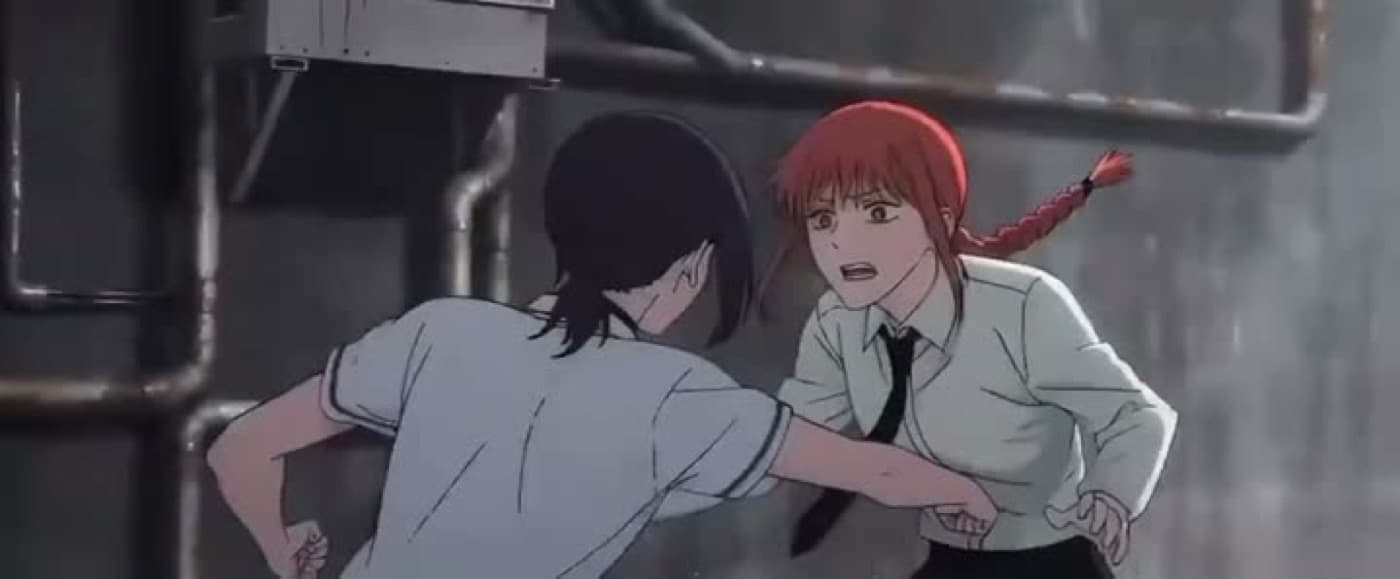
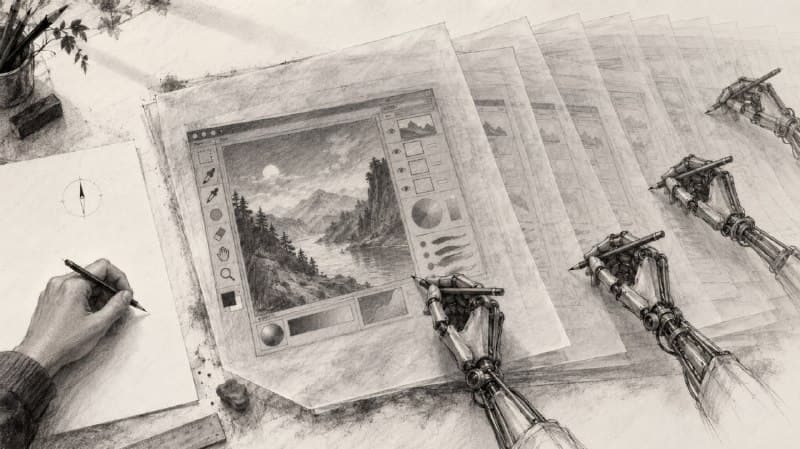
We have entered an era when a single prompt can produce a video indistinguishable from the original. One fan can replace the work of hundreds of people at a studio. This changes the nature of IP. The value of linear storytelling, a single narrative with a beginning and an end, is quickly eroding. If anyone can make videos of the same quality, the real moat shifts from a 'finished story' to 'a world fans want to keep expanding forever.' Characters, aesthetics, rules, collective memory. The depth and density of a world become the source of an IP's competitive strength.
If DeFi has TVL (Total Value Locked), IP should have TVW (Total Value of World). Where TVL asks how much in assets is locked in a protocol, TVW asks how much imagination and participation have accumulated in a world. Marvel's moat is not the Avengers movies, but the density of a universe built over decades. Pokémon's value is not a single animated show, but an ecosystem of 151 creatures living in the minds of fans around the world. Worlds with high TVW multiply endlessly in the AI era. Those with low TVW are copied with a single prompt, then forgotten.
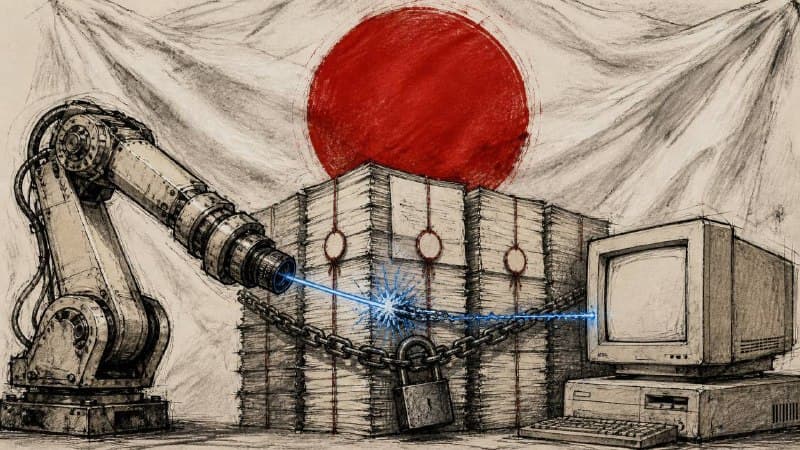
Here we face an uncomfortable truth. For fans to expand a world without limit also means for copyright to be infringed without limit. Open-source generative image and video engines are already everywhere. Models running locally, anonymous servers, prompts crossing borders. It is already clear that preventing derivative works from being generated is impossible, both in practice and in theory. We have seen something similar before. The music industry succeeded in killing Napster but failed to stop illegal downloads. The industry only began growing again when Spotify offered a legitimate alternative. If we cannot stop it, we have to bring it into the open. The question must shift from 'How do we block it?' to 'How do we open it wisely?'
This is not simply a question of sharing revenue. What status should fan-created secondary IP have? Can a community collectively vet quality and direction across the ecosystem? How do we protect the original creator's intent and the coherence of the world? These complex problems must be solved together. Traditional licensing structures cannot handle a world where millions of pieces of fan-made content are created and distributed in real time. We need a transparent ledger that tracks contributions, proves rights, and distributes rewards automatically. For now, I see no alternative better suited than blockchain to serve as this infrastructure.
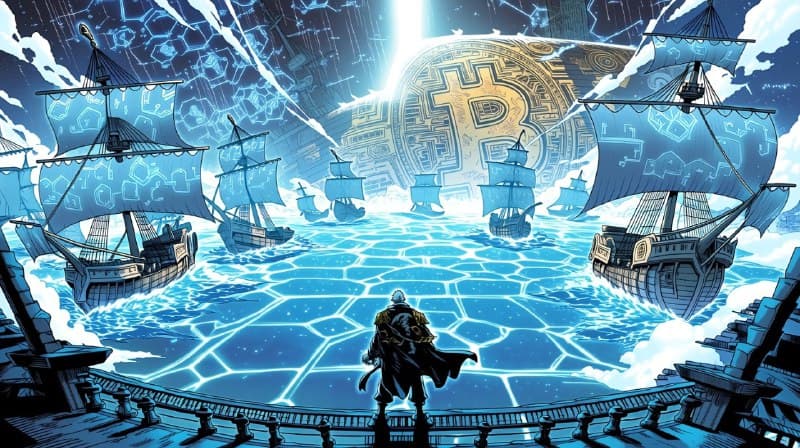
In a world where AI brings the cost of creation toward zero, blockchain becomes the layer that settles the value of that creation. One creates the explosion; the other creates order after the explosion. The next chapter of the IP industry will be written where these two technologies meet. The future of IP is likely to belong not to those who build the best worlds, but to those who open them best, and those who best design the order within those open worlds.