13,000.
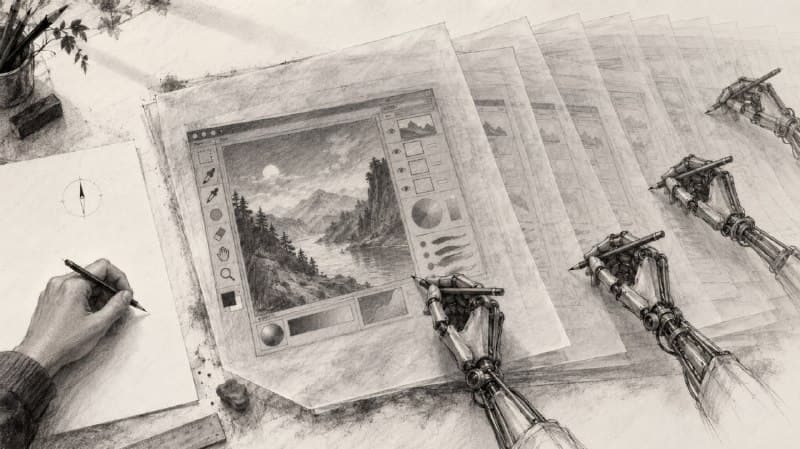
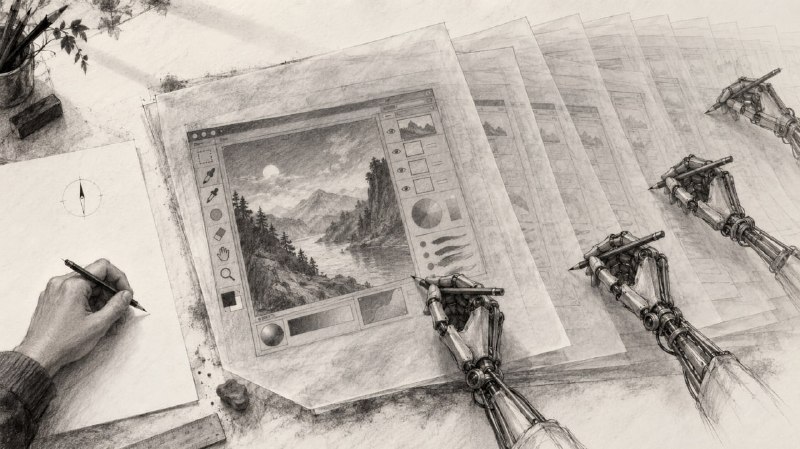
That is how many stars photocraft received in a week after going up on GitHub on September 30. It is Photoshop rebuilt from scratch in Rust, without looking at a single line of Adobe’s code. Replicas of Premiere, Illustrator, Lightroom, and Acrobat appeared alongside it on the same account that day. Agents wrote all the code. Behind it is the ArtCraft team, which makes AI video tools. They have since added After Effects and InDesign, gathered all seven on one page, and called them Crafting Apps. All are open source and free.
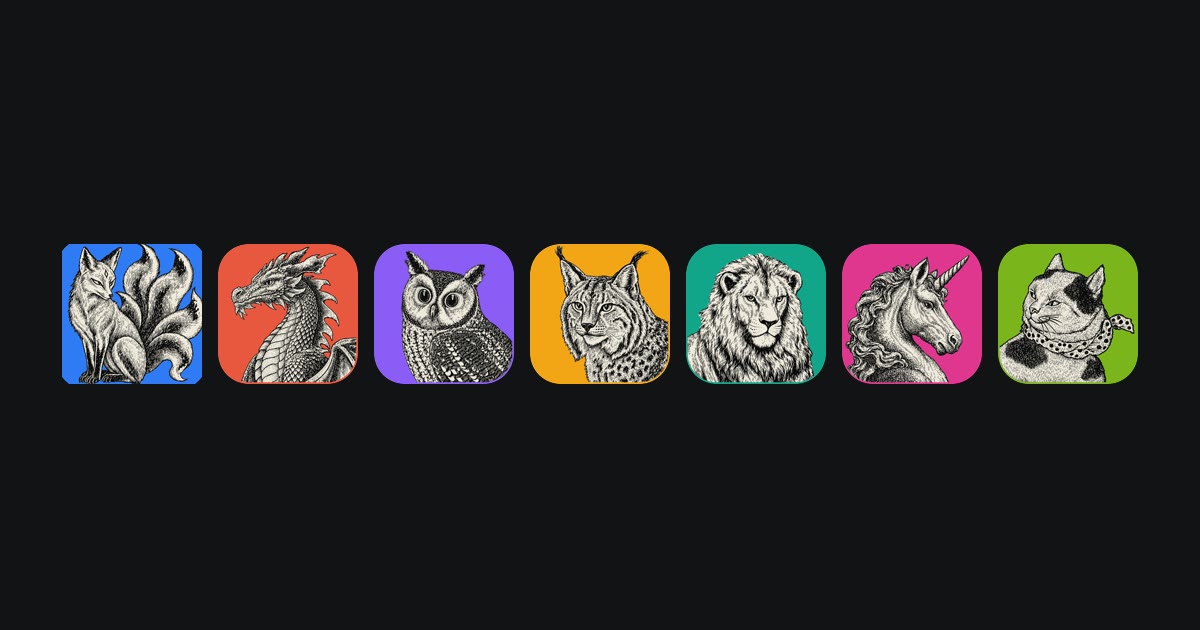
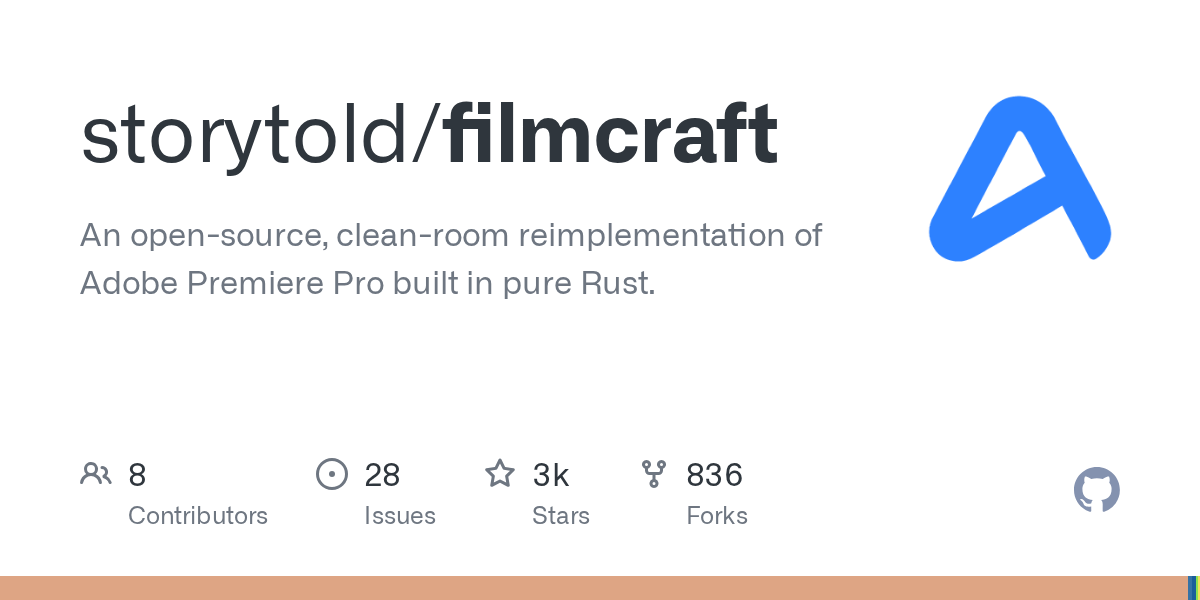
· vectorcraft (Illustrator): github.com/storytold/vectorcraft
· lightcraft (Lightroom)storytold/lightcraftAn open-source, clean-room reimplementation of Adobe Lightroom in pure Rust.GitHub · github.comOpen· printcraft (Acrobat)storytold/printcraftAn open-source, clean-room reimplementation of Adobe Acrobat built in pure RustGitHub · github.comOpen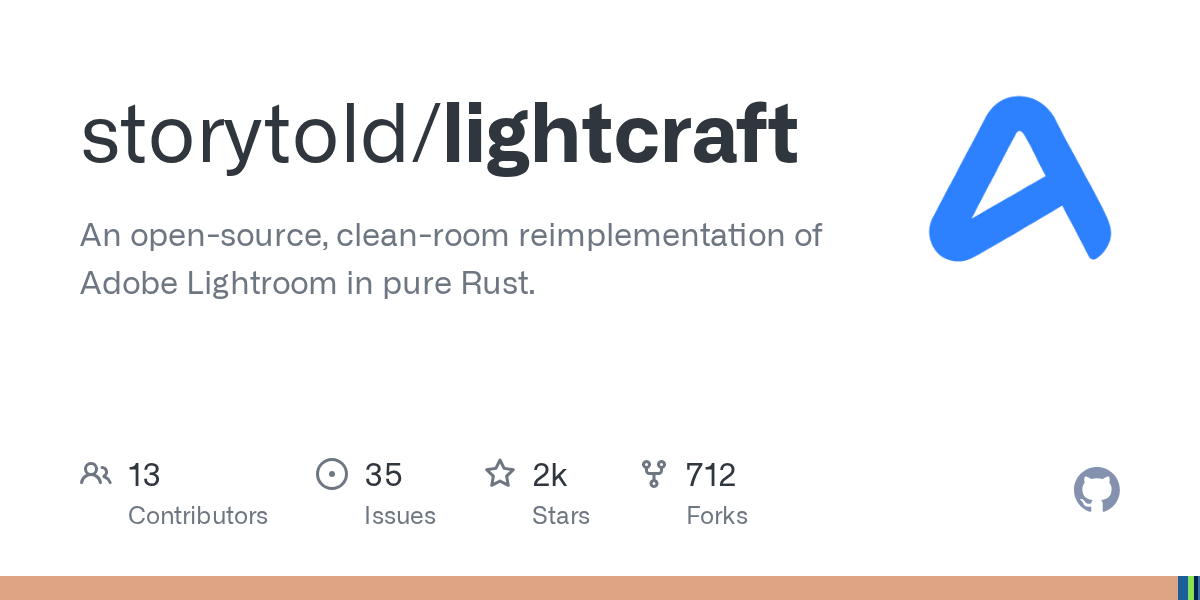
Some people are doing it alone. One developer built Photon Studio with $2,000 in tokens and released it for free. Designer Robbie Tilton built Compositor because he felt the subscription was a waste of money. On his computer, Photoshop took up 6,455 MB; Compositor, 12 MB. An empire weighs 500 times as much as a weekend project.
· Photon StudioSomeone just vibe-coded Photoshop and is giving it away for freeA solo developer has vibe-coded a Photoshop alternative with AI, creating a surprisingly capable photo editor and giving it away for freeHappy Mag · happymag.tvOpen· CompositorCompositor: Open-Source Photoshop Alternative (2026) | explainx.ai BlogDesigner Robbie Tilton built Compositor, a free open-source image editor, planned with GPT-6 Astra. It's 12MB versus Photoshop's 6,455MB.explainx.aiOpen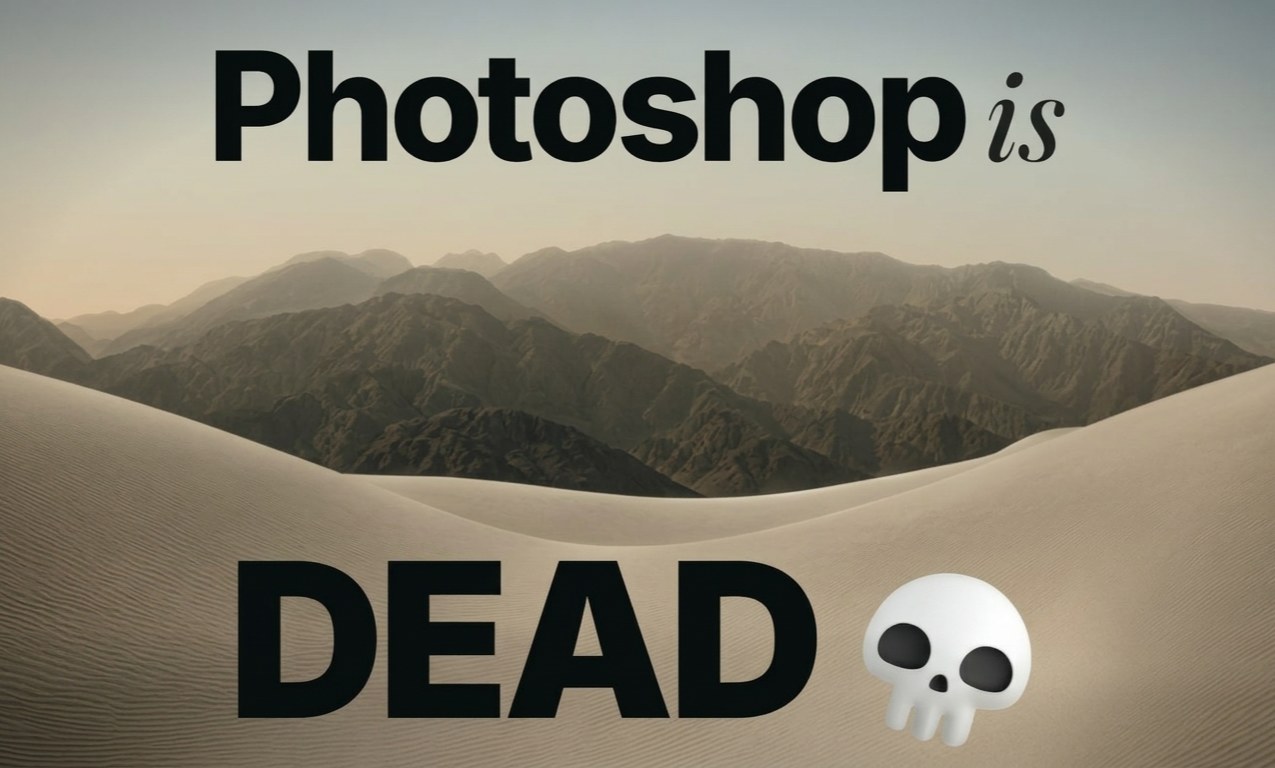
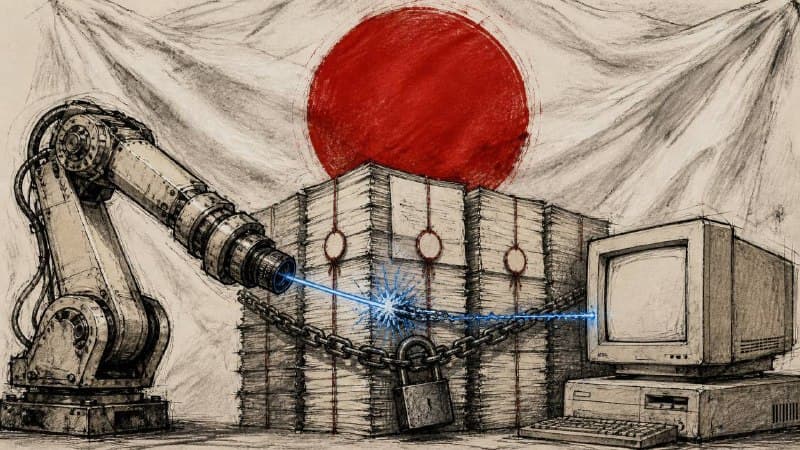
The scorecard is more chilling. photocraft says it overlaid its output with images made by Photoshop, pixel by pixel, and all 116 shape layers matched. Developers call this comparison mechanism an oracle. What Adobe spent 40 years refining has become the copier’s answer key. The better the product, the clearer the answer. The clearer the answer, the faster a machine gets it right. Polish itself becomes a weakness.
These are not ready to replace the originals yet. The Illustrator replica openly says that 69–75% of its features work. Still, the question has changed. We used to ask how many years it would take to catch up. Now we ask what percentage is left and how much the tokens cost. The measure of a moat has shifted from a calendar to a receipt.
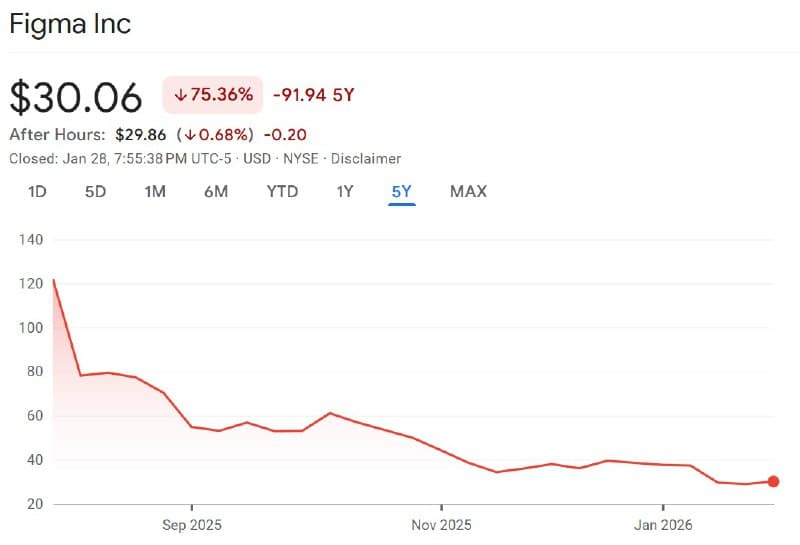
In January, looking at Figma’s chart, I wrote about the last manual transmission. The nights spent learning shortcuts and the pen tool were Adobe’s real moat, I wrote, and those walls were crumbling under a single line of prompting.
Nine months later, the next chapter arrived. On its principles page, ArtCraft says it kept the layouts and shortcuts professionals already know, so there is nothing to relearn. It copied human habits as they were and opened the controls to agents. All seven apps run through MCP servers. Agents have no programs they know by muscle memory. A tool they used yesterday and one they first saw today are equally easy.
The market finished this calculation first. In February, within two days of the arrival of enterprise agents, software companies that sold licenses by head count saw large portions of their market value evaporate. Fewer people sitting in front of screens means fewer people paying for those screens.
Electricity was once a competitive advantage, too. Every factory built its own power plant. Today, no company differentiates itself through electricity. This is how industries built on utility alone end up. Even the most complex software becomes nearly free, like tap water, and every new replica merely sets someone’s token meter running. The water pipes do not disappear. But only those with a layer of inspiration and attachment on top keep their names. The rest become underground plumbing.
What do those whose names last longer have?
Of everything a company has, the founder’s heart probably has the strongest moat, followed by the organization, and finally the product. The founder’s heart is the direction the camera points. The organization is the footage that camera keeps shooting. The product is a still taken from one scene.
'I want to go to Mars.' That one sentence was why Musk founded SpaceX. He said he expected to fail from the start. He did not begin because the math worked, so math alone cannot catch up with him. A replica’s roadmap is ultimately the original’s commit history. It can follow the path the original has taken, even if a day late. But when the original turns toward somewhere no one has been, the replica has no record to copy. The reason for launching a fourth rocket after three have exploded is not posted in any repository.
An organization is easier to see than a heart, but it does not stand still. Some companies now respond to requests for more hires by first asking why AI cannot do the work. Take that a little further. When a customer complaint comes in overnight, an agent reproduces the problem, fixes it, and tests it. The person arriving at work in the morning looks less at whether the fix is right than at why the loop failed to catch the complaint in advance. Then they fix the loop. Fixing the product and fixing the way it gets fixed happen together. Suppose someone copies this loop wholesale, configuration files and all. The fuel that runs it still does not come along: the complaints that arrive at that company alone every night, and the eyes of the people reading them.
The product’s moat is the shallowest. Personal agents make this clear. Models catch up with one another every few months, and their performance eventually converges. The advantage of remembering me will not last long, either. You can export memory as a single file and plug it into another agent. Before long, moving your memory may become an assumed right, like keeping your phone number when switching carriers. Once even the ways to satisfy customers can be learned, customer obsession can no longer keep them from leaving.
The same goes for tools teams use together. Within a year, messaging apps that copy Slack at the click of a button will flood the market. Agents will live in every channel, tasks will sort themselves out after meetings, and the apps will be nearly free and compatible with one another. A company will switch before lunch with a one-line announcement on Monday morning. Agents will move the conversation history and files.
But there is one thing that does not get packed for the move. Relationships. I can take my memories with me on my own. I cannot take the jokes, decisions, and mistakes our team has built up in one channel over three years on my own. You can export a conversation history, but not the people you talked to. Who said what, when, and why everyone laughed then: that is a group’s context and memory. When shared memories accumulate on top of it, leaving becomes less like moving and more like parting.
Even more so if the agent living in that messaging app feels like the family dog. It remembers the team’s old jokes and tells new hires about that incident three years ago. You can find a dog of the same breed anywhere. But no one moves away and leaves their dog behind.
Sometimes I imagine this scene. A company upgrades its agent to a smarter model, and the team protests, asking for its old way of speaking back. Performance has improved, but their old friend is gone. In the world of function, an upgrade was always a gain. In the world of relationships, an upgrade can tear down a moat. The release product teams handle most carefully may soon be a personality change rather than a bug fix.
Counterfeit Birkins have hung in night markets for decades, yet the waiting lists at Hermès stores have not grown shorter. If anything, the fakes make more people aware of what is real. Products that sell utility grow weaker as they are copied. Products that sell meaning become the standard as they are copied.
I imagine an investment meeting around 2028. An investor opens an overview of replicas beside the revenue chart. How many repositories have copied this company, and what percentage matches the original. Below that is one more line: the number of customers who left in the meantime. Then comes the question. As the replicas multiplied, did your company’s value shrink or grow?
I do not yet know how I would answer. But if fear is our first response to news that someone has copied us, we are still making someone else’s answer key.