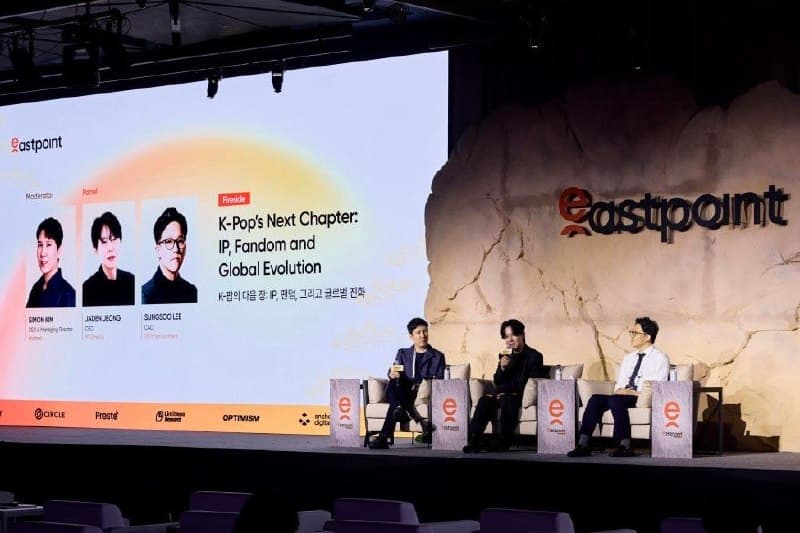
It was an honor to appear on AI Frontier, one of the few long-form programs I personally follow regularly, especially since I have known CEO Jung-seok Noh for a long time.
I went to talk about vibe coding and AI agents, but as we talked, the conversation ultimately reached the question of what remains for humans.
One thing I have been thinking about a lot lately is how quickly the cost of execution is falling. Things that once required a team, capital, time, and development skills can now be tested much faster and on a much smaller scale through one person and several agents.
That is why I also said that VC seems to be doomed. If the biggest use of capital in an early-stage software startup was development talent and the cost of execution, then in an era when those costs are compressed, something more important than money is bound to change.
Mentorship with people who speak the same language, networks that quickly connect you with people you can trust, and communities of people who think and worry at a similar pace may become more important.
I often say these days, “Everything visible is open source.” As the difficulty of building the product itself falls, real value seems to be moving outside the code. It is becoming less about who built something faster, and more about who has a clearer intent, who they are connected to, and what kind of trust they have.
I think universities are similar. Their functions of selection, education, and community are gradually becoming unbundled, and communities where people with intent gather may become stronger places for learning and growth than existing institutions.
We also talked about the agent economy. If a world arrives where each person has an agent, agents trade and make payments with one another, and build reputations, we will need infrastructure for identity, reputation, and payments. At this point, I think the role of public blockchains and stablecoins may once again become important.
In the end, the important questions are changing.
Not what can I build, but what do I intend?
AI helps with execution, but it does not desire anything or choose a direction first. So I wonder if what remains for people is intent, judgment, the depth of their relationships, and things like taste.
As execution becomes cheap and utility becomes a given, the value of the inspiration and narrative that humans give one another may instead grow. Humans may become less important as tools of production, but I think the value of people who create taste, deepen relationships, and open up new stories may become clearer.
We talked about quite a wide range of topics, from vibe coding and agent-native organizations to changes in VC and universities, the agent economy and blockchain, and the future of taste.
I feel like I opened a lot of parentheses, so I plan to watch it again and organize my thoughts further. Thank you for inviting me.