The debate over whether "crypto is dead" has flared up once again. It started with a tweet by @MiyaHedge. The post declared the end of the crypto market, citing declining LP commitments, the departure of major VCs, and a wave of resignations from the Paradigm team. A few days later, Kyle Samani, co-founder of Multicoin Capital and the Solana ecosystem's largest investor, stepped down as managing partner, leaving behind a decade-long career in crypto. A tweet he posted and quickly deleted just before his departure drew even more attention. "I once believed in the Web3 vision. I no longer do." Yet in his official departure statement, the same Samani wrote that "crypto will fundamentally rewire the circuitry of finance." These two statements are not contradictory. The phase of experiments conducted in a separate space, detached from reality—decentralized social networks, GameFi, onchain identity—is coming to an end. At the same time, blockchain is beginning to find its way into real-world financial infrastructure. These are two sides of the same transition.
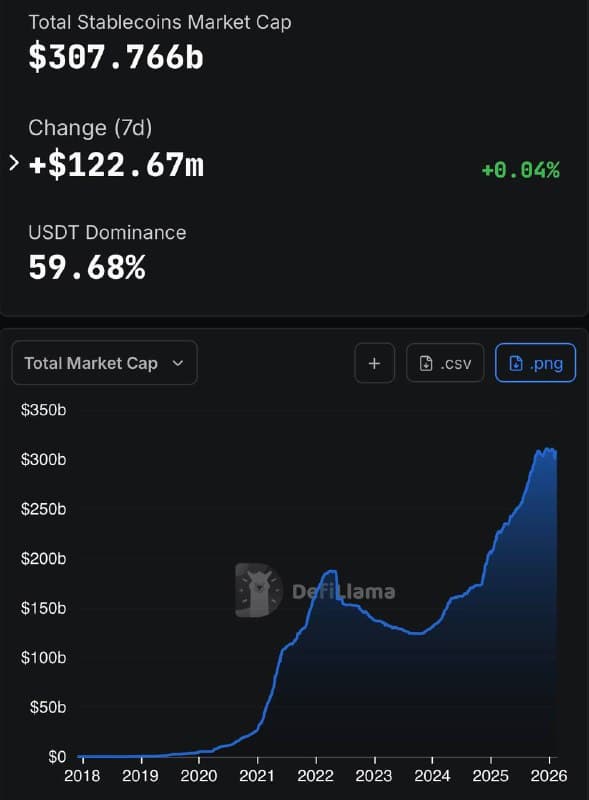
In fact, at some point last year, blockchain began moving beyond being a standalone sector and merging into fintech and the broader internet. Regardless of the failures of individual projects, the technology itself is rapidly connecting with real-world assets and finance. In 2025, annual stablecoin payment volume surpassed the combined volume of Visa and Mastercard, and major US banks are actively exploring initiatives around blockchain-based financial infrastructure. Stablecoin use has also expanded beyond individuals and institutions, recently reaching the AI agent economy. This is happening as the silo called the 'crypto sector' breaks down, which is why, from the outside, it looks as though crypto is disappearing.

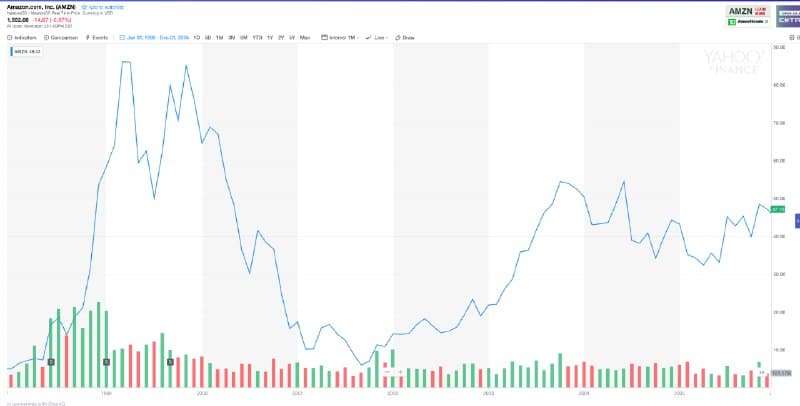
Something similar has happened before. In 2000, when the dot-com bubble burst, the Nasdaq plunged nearly 80% from its peak. Almost 80% of US VC investment had gone into internet companies, and most of that money evaporated. Internet-focused funds rushed to remove 'internet' from their names, and declarations that the internet was finished poured out of the industry. But what had actually ended was not the internet. It was the illusion that the internet could exist as a separate sector. The fiber-optic cables and telecommunications infrastructure laid during the dot-com era, along with the few companies that survived, became the foundation for the internet to spread into every industry as a basic layer. Today, the term 'internet-focused VC' no longer exists. Not because the internet failed, but because it became part of every industry.
Blockchain is on the same path. Most major US VCs already see blockchain as an extension of the internet and fintech. This is also why Hashed has been paying attention to blockchain as infrastructure for the agent economy and investing in it. The originality of decentralized experiments conducted apart from reality may no longer attract as much attention as it did in the early days. But blockchain's integration into real-world infrastructure is only just beginning. It is not dying. Its role is changing, and so is the way it solves problems.
While writing this, I vividly recalled a blog post I read in November 2018. It was "What Bear Markets Look Like," by Fred Wilson, co-founder of Union Square Ventures, one of New York's leading VC firms.
What Bear Markets Look LikeIt’s hard to look at the price charts of the big crypto assets and not cringe. But it helps to look back to an earlier time, when a new sector was emerging, and understand what can happen. Amazon peaked in the Internet bubble in late 1999 at around $90/share. Almost two years later, at the […]AVC · avc.comOpen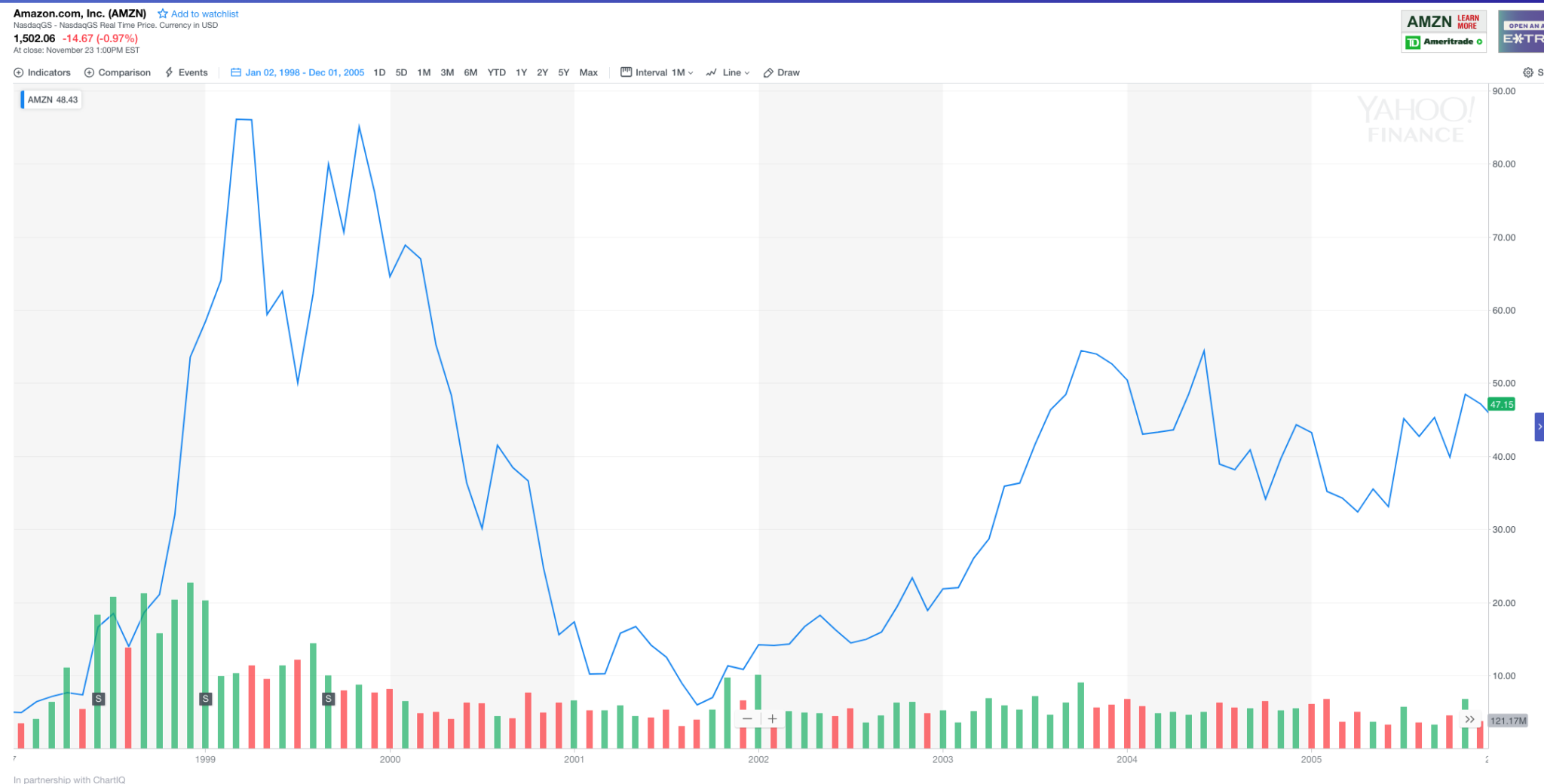
He has led USV, known for its early investments in Twitter, Tumblr, Etsy, Kickstarter, Coinbase, and others. The post was written in the middle of one of the harshest winters in crypto history, when Bitcoin had fallen from $20,000 to about $3,500 and Ethereum from $1,400 to around $110. He recalled how Amazon had fallen from $90 to $6 during the dot-com bubble and took until 2007 to regain its peak. Then he wrote: "Most large companies dismissed the internet as a foolish endeavor and shut down their related businesses. Many talented people left the sector. But those who stayed were rewarded. It just took a long time." He predicted that the same would happen in crypto. Regulators would belatedly apply pressure, large companies would give up on crypto, and talented people would leave. But he said that what we should watch for in a downturn is not prices, but "signs of life."
I want to take this opportunity to thank Fred once again for writing, in such a calm voice, a post that gave me great strength during my second bear market in the blockchain industry.